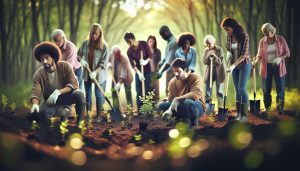
Imagine a landscape ravaged by fire or flood, yet remarkably, life begins to emerge anew. This is the essence of secondary ecological succession-a natural phenomenon where ecosystems rejuvenate after a disturbance while retaining the soil. Understanding this process is crucial as it underscores the resilience of nature and the vital role it plays in maintaining ecological balance. By learning about secondary succession, we not only gain insight into the complex interplay of life and environment but also find inspiration to participate in sustainable practices. As we explore this topic, consider how our actions can support ecological recovery and foster a healthier planet. Join us on this journey to discover how nature orchestrates its remarkable comeback and how we can contribute positively to this cycle of renewal.
What Is Secondary Ecological Succession?
Ecological succession represents a remarkable process that showcases nature’s resilience, particularly evident in the case of secondary ecological succession. This phenomenon occurs in environments that have been previously disturbed but still retain some soil and biological legacies, allowing for a more rapid recovery compared to primary succession, which takes place in lifeless areas. After disturbances such as wildfires, floods, or human activities like farming, secondary succession sets the stage for a vibrant reestablishment of habitats. The soil remains intact, rich in nutrients and microbial life, which significantly influences the rate and success of the recovery process.
As the landscape begins to regenerate, it often starts with pioneer species-hardy plants that can thrive in less than ideal conditions. These initial colonizers play a critical role in stabilizing the soil and creating conditions favorable for subsequent species. Over time, more complex plant communities develop, leading to increased biodiversity that enriches the ecosystem. This recovery not only revitalizes the land but also supports various wildlife populations, creating a diverse array of habitats where species can flourish.
Furthermore, secondary succession is a powerful reminder of how ecosystems can adapt and heal themselves, often becoming more robust in the face of adversity. This natural recovery can inspire individuals to engage in eco-conscious living, emphasizing the importance of protecting and fostering natural environments. As we witness the resilience of nature, it becomes increasingly important to adopt sustainable practices in our daily lives, ensuring that we contribute positively to our ecosystems. By understanding and supporting secondary ecological succession, we can embrace our role as stewards of the environment, facilitating recovery efforts both formally and informally in the spaces we inhabit.
The Importance of Secondary Succession in Ecosystems
Secondary succession is not just a recovery process; it is a vital mechanism through which ecosystems regain their balance after disturbances, showcasing the resilience and adaptability of nature. Its importance cannot be overstated, as it leads to significant ecological benefits that are crucial for maintaining biodiversity. After a fire, flood, or human intervention, areas that have undergone secondary succession often evolve into thriving ecosystems, enriched with a variety of plant and animal species. This process fosters the regeneration of habitats that support wildlife, ultimately enhancing the overall health of the environment.
One of the unique aspects of secondary succession is its ability to build upon existing soil and biological resources, allowing for quicker recovery than primary succession, which occurs in barren landscapes. The presence of nutrient-rich soil and microbial life from the original ecosystem enables new plants to establish themselves more efficiently. As these plants grow, they contribute to soil stabilization and the formation of complex food webs, which subsequent species rely on for nourishment and habitat. This cascade of interactions among different species not only boosts biodiversity but also increases ecosystem resilience, making it better equipped to handle future disturbances.
The significance of secondary succession extends beyond ecological recovery; it plays a crucial role in carbon sequestration and climate regulation. Healthy, diverse ecosystems are effective at absorbing carbon dioxide from the atmosphere, thus mitigating climate change impacts. Additionally, well-functioning ecosystems provide essential services such as pollination, water filtration, and erosion control. Engaging with these natural processes inspires individuals to adopt eco-conscious practices, emphasizing the importance of fostering and protecting natural environments in our everyday lives.
Recognizing the value of secondary succession can galvanize communities to support conservation efforts and sustainable practices. Individuals can contribute by planting local species, restoring degraded areas, and reducing activities that lead to habitat destruction. By embracing these actions, people not only facilitate the recovery of ecosystems but also strengthen their connection to the natural world, fostering a sense of responsibility as stewards of the Earth.
Stages of Secondary Ecological Succession Explained
After significant disturbances such as fires, floods, or human activities, landscapes may appear barren, but nature is remarkably resilient. Secondary ecological succession is a sequential process where ecosystems gradually recover and re-establish themselves, often leading to rich and diverse habitats. Understanding the stages of this intricate journey can deepen our appreciation for nature’s ability to heal and thrive.
Initial Colonization
In the aftermath of a disturbance, the first phase in secondary succession is marked by the colonization of pioneering species. These are typically fast-growing plants, such as grasses and herbaceous plants, which can quickly take root in the nutrient-rich soil leftover from the previous ecosystem. They play a crucial role in stabilizing the soil and preventing erosion while creating a suitable habitat for other organisms.
Establishment of Intermediate Species
As the environment continues to evolve, intermediate species, including shrubs and small trees, begin to take hold. This stage often sees an increase in biodiversity, as various organisms return to the area. These species not only enhance the complexity of the ecosystem but also provide additional food and shelter, which attract a wider array of wildlife.
Climax Community Formation
Ultimately, the ecosystem will transition into a more stable, mature stage known as the climax community. This phase is characterized by a diverse array of species, including larger trees and complex vegetation. The balance within this community allows it to sustain itself, demonstrating resilience against future disturbances. Climax communities can take decades or even centuries to develop, showcasing the importance of patience and time in ecological recovery.
Understanding these stages is not merely an academic exercise but a call to action. Observing how quickly environments can rebound and become habitats for diverse flora and fauna can inspire us to engage in restoration practices. Simple actions, such as planting native species or participating in community clean-ups, can significantly support the processes of secondary succession and contribute positively to the health of our ecosystems. Embracing these practices fosters a deeper connection with the natural world, reminding us that every effort counts in nurturing and protecting our planet.
Key Differences: Secondary vs. Primary Succession
Secondary ecological succession is a fascinating process that occurs after disturbances, and it contrasts sharply with primary succession in several key aspects. Understanding these differences can empower us to appreciate nature’s resilience and inform our efforts in conservation and restoration.
One of the most significant distinctions is the presence of soil. In secondary succession, existing soil remains intact following the disturbance, allowing plants and organisms to repopulate more quickly. This rich soil often contains seeds, roots, and microorganisms that facilitate rapid recovery. In contrast, primary succession occurs in areas devoid of soil, such as after a volcanic eruption or glacial retreat, where pioneer species must establish the soil from bare rock, significantly prolonging the recovery timeline.
Another key difference lies in the types of species that dominate each process. Secondary succession typically features fast-growing, opportunistic species, like grasses and shrubs, that can swiftly reclaim the habitat. These species are adept at utilizing the nutrient-dense soil left behind. Conversely, primary succession begins with pioneer species, such as lichens and mosses, which are specially adapted to harsh, bare environments. These species slowly build up the soil through processes of weathering and organic matter accumulation, setting the stage for later, more complex ecosystems.
Timeline and Stability is an additional area where secondary succession differs from its primary counterpart. Secondary succession often progresses rapidly, potentially within a few years to decades, compared to the often centennial timescale of primary succession. This speed can produce a climax community-characterized by complex biodiversity-much sooner, creating robust ecosystems capable of withstanding environmental changes and disturbances.
Moreover, disturbances like fires or human activities can actually stimulate the secondary succession process, promoting biodiversity and transforming landscapes in beneficial ways. Recognizing these differences highlights the importance of protecting and managing ecosystems according to their unique recovery processes. By participating in conservation efforts, such as supporting forest management practices or engaging in community restoration projects, we can play a vital role in ensuring our ecosystems become resilient shelters for countless species. Embracing these sustainable practices not only nurtures our planet but also fosters a deeper connection with the environment and its intricate workings.
Factors Influencing Secondary Succession Processes
The resilience of nature is remarkable, with ecosystems often rebounding after disturbances, showcasing an incredible recovery process known as secondary succession. This process is influenced by several interrelated factors that shape how quickly and effectively an environment can regain its former state. Understanding these influences is crucial for fostering healthy ecosystems and harnessing nature’s ability to heal.
One of the primary factors affecting secondary succession is the type and severity of the disturbance that triggered the recovery. For instance, an area affected by a forest fire may experience a different recovery timeline compared to one cleared for agriculture. Fires can create nutrient-rich ash that fosters rapid plant growth, whereas agricultural land may require additional time for soil to restore its health. Additionally, the ecological context-such as the surrounding species pool-plays a significant role. Areas richly populated with seed banks or nearby undisturbed habitats can accelerate the recolonization process, making it easier for plants and animals to re-establish themselves.
Another crucial element is the abiotic conditions of the environment, encompassing soil quality, moisture levels, and climate. Healthy, nutrient-dense soil promotes swift succession as plants effectively harness available resources. Weather patterns can also impact this process; for instance, increased rainfall can enhance growth rates and support a wider variety of plant species. Therefore, local climatic conditions and seasonal variations must be considered for effective ecosystem management.
Finally, human activities can dramatically impact secondary succession processes. Urbanization, agriculture, and deforestation can introduce invasive species that outcompete native flora and fauna, leading to altered plant communities and reduced biodiversity. Conversely, thoughtful land management practices, such as controlled burns or creating wildlife corridors, can aid in encouraging successful secondary succession. By restoring natural habitats and minimizing disturbances, we can help ecosystems regain their balance and thrive.
In capturing the essence of ecological recovery, these factors not only illustrate the complexity of secondary succession but also empower us as individuals. By making informed lifestyle choices-such as supporting local biodiversity through native plant gardening or advocating for sustainable land use-we can contribute to nature’s incredible comeback story while ensuring our ecosystems remain vibrant and resilient.
The Role of Disturbance in Ecosystem Recovery
The ability of ecosystems to rebound from disturbances is a testament to nature’s resilience. Disturbances-be they natural events like wildfires or human-induced changes such as deforestation-play a vital role in shaping the trajectory of secondary ecological succession. While these events can initially devastate habitats, they often set the stage for a rich recovery process that fosters biodiversity and rejuvenates ecosystems.
To understand , consider the cyclical nature of many ecosystems. Natural disturbances, such as floods, hurricanes, or fires, can remove dominant species, thereby giving space and resources to others. For instance, post-fire environments often see an explosion of growth due to nutrient-rich ash and sunlight reaching the forest floor. This rebirth includes the emergence of pioneer species, which prepare the ground for more complex communities to develop. Meanwhile, human activities, although often detrimental, can also inadvertently lead to succession; in abandoned agricultural fields, for example, remnants of past ecosystems can slowly reclaim territory, turning bare land back into thriving habitats.
Benefits of Disturbances
Disturbances can enhance ecosystem health in several ways:
- Encouraging Biodiversity: By resetting the ecological structure, disturbances create opportunities for various species to thrive, leading to increased diversity.
- Maintaining Ecosystem Function: Fire-prone landscapes rely on periodic burns to manage fuel loads, preventing catastrophic fires and supporting healthy growth cycles.
- Soil Enrichment: Disturbances can promote the breakdown of organic material, enriching the soil and enhancing its capacity to support new growth.
- Facilitating Adaptation: Repeated disturbances can foster resilience in species, leading to adaptations that allow them to thrive in changing environments.
While disturbances are a natural part of ecosystem dynamics, it’s crucial for both individuals and communities to recognize how their actions can influence these processes. Sustainable land management practices can mitigate the negative impacts of disturbances while enhancing positive outcomes. For example, incorporating controlled burns in fire-prone areas can prevent larger wildfires and protect ecosystems. Individuals can contribute by supporting local conservation efforts, engaging in habitat restoration, and advocating for responsible land use practices. By understanding the intricate balance between disturbance and recovery, we can play an active role in fostering resilient, thriving ecosystems for future generations.
Case Studies: Successful Examples of Secondary Succession
The remarkable ability of ecosystems to recover from disturbances showcases the dynamic and resilient nature of our natural world. Numerous case studies illustrate secondary succession in action, reflecting how various environments benefit from such ecological processes. For instance, after the devastating 1988 Yellowstone National Park fires, many initially viewed the desolate landscape as a lost cause. However, over the years, the park has emerged as a stunning example of nature’s comeback. The fires, while intense, opened up the canopy, allowing sunlight to reach the forest floor. This led to a flourishing of wildflowers and grasses, followed by the re-establishment of trees, ultimately restoring biodiversity that flourished in the park long before the flames swept through.
Another compelling example is the recovery of the oak savannas in the Midwest following agricultural abandonment. As farmers left their fields, native grasses and wildflowers began to reclaim the land, gradually attracting wildlife. This natural succession led to increased biodiversity and provided critical habitats for various species, including pollinators and birds. Recognizing the importance of these natural processes, local conservation efforts have focused on preserving and managing these recovering landscapes, demonstrating how human intervention can support natural succession rather than inhibit it.
In coastal regions, the restoration of salt marshes serves as yet another testament to the power of secondary succession. After disturbances such as oil spills or storm damage, these ecosystems often showcase rapid recovery. The initial colonization by halophytic (salt-tolerant) plants facilitates soil stabilization and creates a foundation for further biodiversity, which includes various aquatic species. Efforts to clean up pollutants and replant native vegetation have been crucial in enhancing these recovery processes, encouraging community involvement and highlighting the importance of preserving such vital ecosystems.
These inspiring examples emphasize the importance of understanding and supporting secondary succession. By embracing eco-conscious practices-such as participating in local restoration projects, promoting native planting, and advocating for land management that respects natural recovery-we can play an active role in this ecological resurgence. It’s crucial for each of us to recognize the impact of our actions and contribute positively to the environment, fostering resilience and sustainability in the ecosystems we treasure.
Impacts of Climate Change on Secondary Succession
Shifts in climate patterns can have profound impacts on secondary succession, effectively reshaping how ecosystems respond to disturbances. As the planet warms, factors like altered precipitation patterns, increased frequency of extreme weather events, and changing temperature regimes challenge the resilience of natural communities. For instance, an area that previously underwent rapid recovery post-disturbance may see delayed succession processes or shifts in species composition as the environment changes more rapidly than the recovery can occur.
One notable effect of climate change on secondary succession is the potential for altered species interactions. As temperatures rise, some existing species may become stressed while more heat-tolerant or invasive species may thrive. This can lead to a shift in competitive dynamics, resulting in a decline of native biodiversity and further slowing the recovery of ecosystems. For instance, in the case of coastal salt marshes, increasing sea levels can inundate habitats, complicating the natural recolonization processes and potentially allowing for non-native species, which are less adaptive to local conditions, to take over the ecological niches.
Moreover, changes in climate can drive shifts in the timing of phenological events-such as flowering, seed dispersal, and germination-which can disrupt the synchronization necessary for certain plants and animal species to thrive in a newly recovering area. Such disruptions can hinder the establishment of key pioneer species that initially stabilize the soil and create conditions for subsequent species to flourish.
To mitigate the , it is essential to promote sustainable practices that enhance ecosystem resilience. Here are some actionable steps individuals and communities can take:
- Engage in reforestation and afforestation: Planting diverse, native species can help restore ecosystems and support biodiversity.
- Support local conservation efforts: Participate in or donate to initiatives focused on habitat restoration and protection.
- Advocate for sustainable land management: Encourage practices that reduce habitat fragmentation and protect natural corridors for wildlife.
- Reduce your carbon footprint: Choosing renewable energy sources, reducing waste, and adopting an eco-friendly lifestyle can collectively help combat climate change.
By embracing these strategies, we can empower ecosystems to adapt to changing climatic conditions, ensuring that secondary succession continues to play its vital role in restoring and maintaining biodiversity across various landscapes.
Human Activities and Secondary Succession Dynamics
Human activities significantly influence secondary succession, often dictating how quickly and effectively ecosystems can recover from disturbances. Urbanization, agriculture, and forestry practices can disrupt natural succession processes, altering species composition and ecosystem function. For example, when land is cleared for agriculture, it may initially seem to offer an opportunity for plant growth, yet the long-term implications can hinder natural recovery. In areas that experience deforestation, the removal of native vegetation not only reduces biodiversity but also impacts the soil’s health and its capacity to support regrowth.
In contrast, responsible land management can support and even enhance secondary succession. Restoration efforts, such as reforestation initiatives, aim to reintroduce native plant species and stabilize soil, thereby facilitating quicker recovery. When human activities align with ecological principles, environments can regain their health. Engaging local communities in such projects fosters a deep connection to the land and amplifies the impact of restoration efforts.
Another vital component of human influence on secondary succession dynamics is the introduction of non-native species-often a byproduct of global trade and travel. Non-native species can disrupt the recovery of native ecosystems by outcompeting local flora, altering soil chemistry, or introducing new diseases. Awareness of these impacts highlights the importance of biodiversity, as diverse ecosystems are typically more resilient against disturbances and invasions.
To foster more positive outcomes in secondary succession, consider adopting sustainable practices in your own life. Whether you choose to support local farmers, participate in conservation programs, or advocate for policies that protect natural habitats, your efforts contribute to a thriving ecosystem. Small actions, like using native plants in landscaping or participating in restoration projects, can have substantial effects on ecological recovery, creating a legacy of environmental stewardship for future generations. By prioritizing ecological health in our daily choices, we actively participate in shaping a sustainable coexistence with nature.
How to Foster Secondary Succession in Nature
Creating a thriving environment that encourages secondary succession is within everyone’s reach. One of the most impactful steps individuals can take is to cultivate native plants. Native species are adapted to local conditions and provide essential habitats for wildlife, leading to a more resilient ecosystem. Incorporating native flora in gardens not only supports local biodiversity but also helps the soil retain moisture and nutrients, setting the stage for natural recovery.
Participating in community-based restoration projects can further foster secondary succession. Many organizations work to restore damaged ecosystems, from reforestation initiatives to wetland rehabilitation. Volunteering for these efforts not only contributes to the recovery of local habitats but also raises awareness about the importance of ecological balance. Engaging with local conservation groups can amplify your positive impact and inspire others in your community to join these efforts.
Another effective method is to practice sustainable land management techniques. For those who garden or farm, using organic practices like crop rotation, composting, and reducing chemical inputs can enhance soil health and contribute to the ecosystem’s resilience. Avoiding monocultures and instead opting for diverse planting can help prevent soil degradation and promote a robust ecological succession process.
Lastly, educating oneself and others about the processes and significance of secondary succession is crucial. Sharing knowledge through workshops, social media, or community events can inspire more people to consider their ecological footprints and make informed decisions that favor natural recovery. Every small action contributes to a larger impact, driving the momentum towards healthier, more sustainable ecosystems. Through dedicated efforts, we can all play a role in nurturing nature’s remarkable capacity to bounce back and thrive.
Lessons from Secondary Succession for Sustainable Practices
The intricate processes of secondary ecological succession offer profound insights that can dramatically shape our sustainable practices. Observing how ecosystems recover post-disturbance underscores the resilience of nature and our role within it. Just as secondary succession illustrates a natural progression toward balance and diversity, our commitment to sustainable living can mirror these principles. By adopting practices that reflect this understanding, such as fostering biodiversity and prioritizing ecosystem health, we can engage in meaningful restoration efforts.
Embracing native plant species is a crucial step that individuals can take. Native flora are naturally adapted to local environments and provide essential support to various wildlife, aiding in the restoration of ecological balance. For example, when homeowners replace non-native plants with local species in their gardens, they not only enhance their landscape’s beauty but also create habitats for pollinators and other beneficial organisms. This approach can significantly contribute to local biodiversity, as well as promote healthier soil and overall ecological resilience.
Moreover, the lessons learned from secondary succession highlight the importance of community involvement. Volunteering in local restoration projects or participating in conservation efforts fosters a collective commitment to enhancing ecosystem health. Initiatives such as habitat restoration days, tree planting, and wetland clean-ups can build community spirit and awareness about environmental stewardship. Engaging people in these activities can create a ripple effect, inspiring more individuals to take an active role in sustainable practices.
Finally, the relationship between disturbance and recovery in secondary succession teaches us about the importance of embracing sustainable land-use practices. Implementing strategies like crop rotation in agriculture or diversifying planting schemes can prevent soil degradation, foster resilience against climate changes, and improve food security. These practices can not only sustain the land but also protect our water sources and minimize the need for chemical inputs.
By incorporating the principles of secondary ecological succession into our daily lives, whether through personal choices or community efforts, we are better equipped to nurture our environment and sustain the ecosystems that support us. Each action contributes to a larger movement, creating a more resilient, diverse, and ultimately healthier planet.
Faq
Q: What is an example of secondary ecological succession?
A: An example of secondary ecological succession is the recovery of a forest after a wildfire. The disturbance clears out vegetation, but soil and some organisms remain, allowing new growth to establish more quickly compared to primary succession, which starts from bare rock.
Q: How do human activities impact secondary succession?
A: Human activities, like agriculture and urban development, can disrupt natural habitats and alter pathways of secondary succession. For example, land cleared for farming may initially allow for faster growth of certain species, but long-term practices can degrade soil health and biodiversity, hampering natural recovery.
Q: What are the steps in the process of secondary succession?
A: Secondary succession typically follows these steps: 1) Disturbance-such as fire or flood; 2) Pioneer species-like weeds or grasses establish first; 3) Intermediate community-shrubs and small trees grow; 4) Climax community-mature forest develops over time. Each stage enhances habitat complexity.
Q: Why is secondary succession important for ecosystems?
A: Secondary succession is crucial because it fosters biodiversity, restores habitats, and promotes ecosystem resilience. By allowing ecosystems to recover from disturbances, it aids in maintaining ecological balance, which supports various species and the services they provide.
Q: How can we foster secondary succession in degraded areas?
A: To foster secondary succession, one can encourage natural processes by minimizing human disturbance, replanting native species, and allowing areas to recover without intervention. Protecting existing habitats and creating buffer zones can also promote a healthy ecological recovery.
Q: What role do disturbances play in secondary succession?
A: Disturbances, such as fires, storms, or human activities, play a significant role by creating opportunities for new species to colonize a previously existing area. They reset ecological succession processes, allowing for the regeneration of ecosystems that might otherwise remain stagnant.
Q: How does climate change affect secondary ecological succession?
A: Climate change can alter the pace and patterns of secondary succession by affecting species’ distributions, introducing invasive species, and changing disturbance frequencies (e.g., increased wildfires). These shifts can destabilize existing ecosystems and hinder recovery processes.
Q: What distinguishes secondary succession from primary succession?
A: Secondary succession occurs in areas where soil and living organisms still exist following a disturbance, while primary succession takes place on previously uninhabited surfaces, like bare rock. This means secondary succession generally proceeds faster due to pre-existing conditions.
Closing Remarks
Understanding secondary ecological succession is vital to appreciating nature’s resilience and the intricate balance of ecosystems. As we witness habitats rejuvenate following disturbances, it’s clear that every action we take can contribute to this remarkable process. If you’re eager to dive deeper into related topics like biodiversity or sustainable practices, check out our articles on ecological footprints and green renovations.
Ready to make a difference? Explore our resources on eco-friendly living and learn how you can support nature’s comeback in your own backyard. Don’t forget to subscribe to our newsletter for tips on sustainable choices that empower both you and the planet. Share your thoughts in the comments below and connect with others passionate about fostering a healthier environment. Together, we can inspire a sustainable future!