Did you know that nature has an incredible ability to recover from disturbances, reshaping its communities over time? This fascinating process, known as succession ecology, reveals how ecosystems adapt and evolve following events like wildfires or human intervention. Understanding succession is crucial for anyone interested in promoting biodiversity and sustainability in our rapidly changing world. As we face increasing environmental challenges, learning about the factors that drive these transformations empowers us to protect our planet. From the emergence of pioneering species to the eventual establishment of a stable ecosystem, succession showcases nature’s resilience and the interconnectedness of life. Dive into this ultimate comeback story of the natural world, and discover how you can play a role in fostering a thriving ecosystem in your own community.
Understanding Succession Ecology and Its Importance
The resilience of nature can be truly astonishing, exemplified perfectly by the process of ecological succession. This inherent ability of ecosystems to recover and regenerate following disturbances underlines the importance of succession ecology in our environment. Whether through natural events like wildfires, floods, or human-induced changes, understanding succession helps us appreciate how ecosystems evolve over time, paving the way for diverse biological communities to thrive.
Ecological succession begins when a disturbance disrupts an existing ecosystem, leading to a gradual transformation in species composition. Initially, pioneer species such as lichens and mosses emerge to colonize bare substrates, setting the stage for more complex life forms to inhabit the area. This process not only restores environmental balance but also enriches biodiversity. For instance, as pioneer species decompose, they enrich the soil, making it hospitable for subsequent plant species, which further attract a variety of animals, ultimately leading to a more sustainable and balanced ecosystem.
Recognizing the importance of succession ecology allows us to integrate sustainable practices into daily life. By understanding how ecosystems function and recover, we can make informed choices that minimize our ecological footprint. Supporting local flora and fauna through native planting, reducing land disturbances, and promoting restoration projects are practical actions that everyone can take. These initiatives not only aid in the recovery of affected ecosystems but also foster a deeper connection with nature, reinforcing the notion that we are all part of this intricate web of life.
Ultimately, embracing the principles of succession ecology can empower us to cultivate a more resilient planet. Through education and conscious actions, we can contribute to ecosystems that not only survive disturbances but thrive, laying the groundwork for future generations to enjoy the beauty and benefits of biodiversity. By focusing on sustainable practices and encouraging a culture of respect for natural processes, we can become stewards of the earth, ensuring the continuation of nature’s remarkable comeback story.
The Stages of Ecological Succession Explained
The journey of ecological succession, where ecosystems transition from one state to another after a disturbance, can be broken down into distinct stages that reveal nature’s resilience and ingenuity. Understanding these stages provides insight into how habitats develop and recover, allowing us to appreciate the pivotal role each phase plays in building a diverse and thriving ecosystem.
Pioneer Stage
The process begins with the pioneer stage. Here, hardy organisms such as lichens and mosses make their debut in barren environments, often following disturbances like volcanic eruptions or clear-cutting. These pioneers are crucial as they not only stabilize the soil but also initiate nutrient cycling. As they grow and eventually die, they decompose, enriching the soil and making it more hospitable for other species.
Intermediate Stages
As conditions improve, we move into the intermediate stages, characterized by the arrival of grasses, shrubs, and small trees. This stage sees increased biodiversity as these plants create a more complex habitat. Insects, birds, and other animals start to populate the area, taking advantage of the new food sources and shelters. This increased interaction leads to a web of relationships that further enrich the ecosystem.
The transition to the climax community marks the final stage of succession, where the ecosystem reaches a stable state characterized by a diverse array of species that are well adapted to the local conditions. This community can remain stable for long periods, unless faced with a significant disturbance that triggers the cycle anew.
To support local ecosystems, you can help foster these stages through practical actions. Consider planting native species in your garden which participate in the succession process, or volunteer for local restoration projects aimed at restoring natural habitats. Such efforts not only help improve local biodiversity but also create resilient ecosystems that can withstand and recover from various disturbances. Understanding these stages empowers you to play a role in nurturing nature’s remarkable comeback story.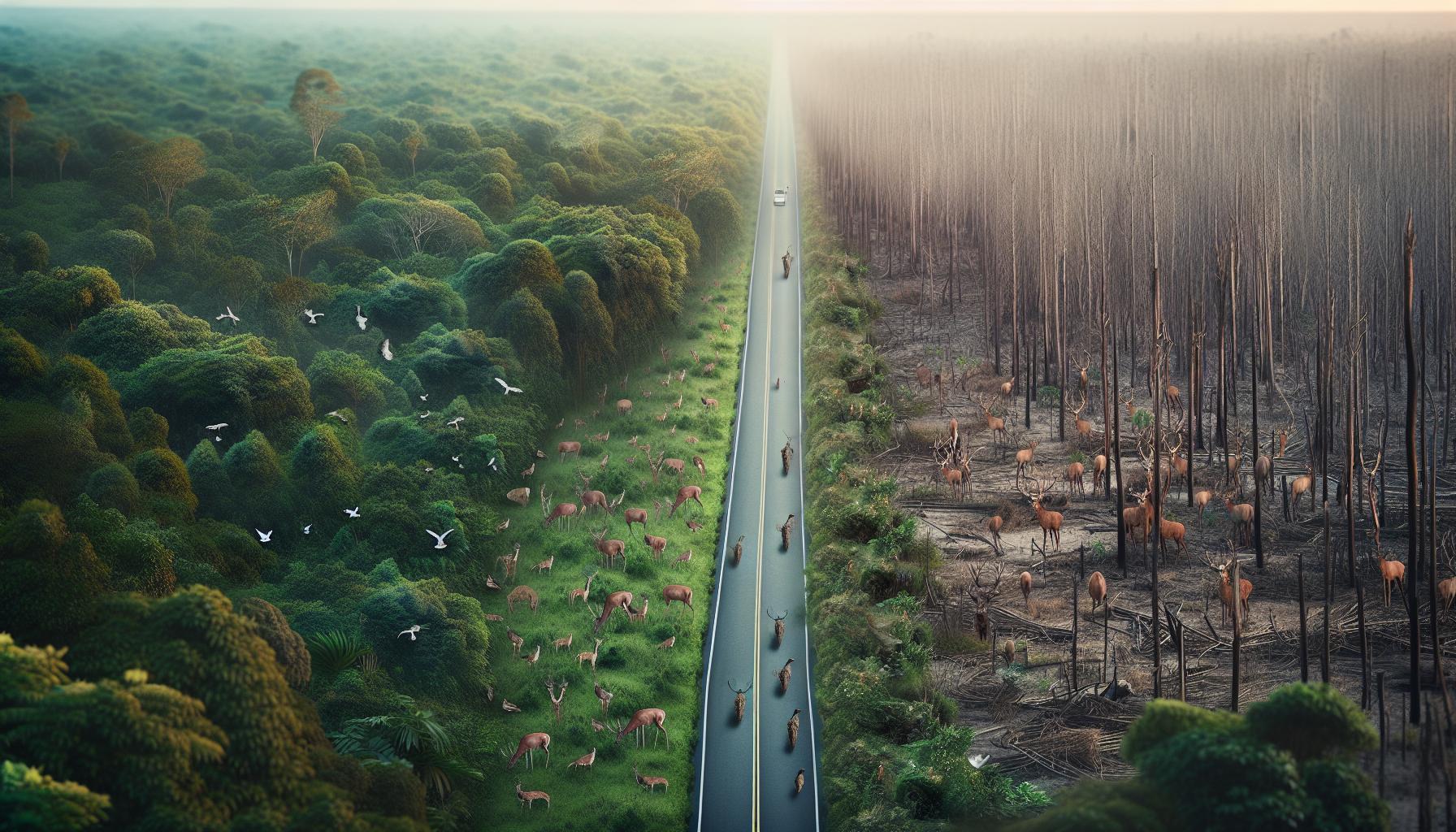
Primary vs. Secondary Succession: Key Differences
Understanding the differences between primary and secondary succession is crucial for appreciating how ecosystems recover and thrive after disturbances. Primary succession begins in lifeless areas, such as after a volcanic eruption or on bare rock, where soil has not yet formed. Initial colonizers, known as pioneer species, play an essential role in creating a suitable environment for future plant and animal life. These organisms, including lichens and mosses, contribute to soil formation and nutrient cycling, setting the stage for more complex ecological communities to emerge. The process can take centuries as these pioneers gradually allow for the development of soil, which supports the growth of greater biodiversity.
In contrast, secondary succession occurs in areas where a disturbance has cleared an existing ecosystem but left the soil intact, such as after a fire, flood, or human activity like agriculture. Here, the recovery process is often much faster, as seeds and organic matter may still be present in the soil, allowing plants to regenerate quickly. Common early species in secondary succession include grasses and shrubs, which can grow rapidly and contribute to soil stabilization. This accelerated recovery highlights nature’s resilience and adaptability, creating diverse habitats that support various wildlife shortly after a disturbance occurs.
Both types of succession underscore the importance of ecosystem recovery and the role disturbances play in shaping biodiversity. By understanding these processes, individuals can appreciate the value of native plants that support these stages, whether through gardening or participating in restoration projects. Adopting sustainable practices, such as minimizing soil disruption and promoting biodiversity in local landscapes, can further aid in these natural recovery processes, fostering resilient ecosystems that benefit both humans and wildlife alike.
The Role of Disturbances in Ecosystems
In ecosystems, disturbances are not merely disruptive events; they serve as catalysts for change, stimulating growth and promoting biodiversity. Whether caused by natural events like wildfires and floods or human activities such as deforestation and urbanization, disturbances shape ecological succession and subsequently influence the health and structure of communities. Interestingly, these disruptions often yield an exciting paradox: while they may dismantle existing systems, they paradoxically pave the way for new life and vitality.
Disturbances trigger a series of ecological responses that set the stage for succession. In the wake of a disturbance, the initial colonizers, known as pioneer species, adapt to the altered environment, enabling them to re-establish themselves quickly. These pioneers, including grasses, shrubs, and various hardy plants, play a pivotal role in transforming bare or disrupted lands into flourishing ecosystems. They stabilize soils, enhance nutrient cycling, and create microhabitats that support various organisms. Thus, disturbances act as an impetus for nature’s remarkable recovery capabilities, highlighting the resilience embedded within ecological systems.
The role of disturbances can be further understood through their ability to maintain diversity. In a stable ecosystem, certain species may dominate, potentially leading to reduced genetic variation. Disturbances break this pattern by creating opportunities for diverse species to thrive, allowing more significant ecological interactions. This promotes a mosaic of habitats, each supporting unique flora and fauna and contributing to overall ecosystem health. Moreover, maintaining biodiversity is crucial not only for the survival of various species but also for the ecosystem services that support human well-being, such as clean air, water, and robust food systems.
Understanding the significance of disturbances can encourage individuals to embrace eco-conscious living. By recognizing the cyclical nature of ecosystems, we can appreciate the importance of native plants and local biodiversity in supporting these processes. Simple actions like planting native species in gardens, minimizing land and soil disruption, and participating in restoration projects can have profound effects on enhancing ecological resilience. By fostering environments that mirror nature’s ability to recover, we contribute to the sustainability of our planet, nurturing ecosystems that benefit both the environment and human life. Embracing this understanding allows us to see disturbances not just as threats, but as essential elements of nature’s ultimate comeback story.
How Biodiversity Thrives During Succession
Biodiversity flourishes during the process of ecological succession, serving as a vibrant testament to nature’s capacity for renewal and resilience. This intricate process begins after a disturbance-be it natural, like a wildfire, or human-induced, such as land clearing. Initially, the landscape might appear barren, yet the stage is set for a rich tapestry of life to emerge. As pioneer species take root, they create favorable conditions for later arrivals, enriching the soil and improving habitat complexity. Each successive wave of organisms brings new interactions, enhancing the ecological community’s richness and stability.
One of the fundamental ways biodiversity thrives during succession is through species interactions. Early colonizers, often hardy and adaptable plants, not only establish themselves but also modify their environment, making it more hospitable for other species. For instance, these pioneer plants can fix nitrogen in the soil, improving nutrient availability for subsequent plant generations. This kind of facilitation allows a wider variety of species to inhabit the area, contributing to increased genetic diversity and resilience against diseases and climate fluctuations. As habitats begin to diversify, a range of organisms-including insects, birds, and mammals-find niches that support their needs, further enriching the ecosystem.
Another important aspect is the evolutionary processes at play. Over time, as different species adapt to the new environmental conditions shaped by earlier species, we witness co-evolution and niche differentiation. For example, the introduction of diverse plant species can lead to the emergence of specialized pollinators or herbivores. This relationship strengthens the interconnectedness of the ecosystem, where each species, from microbes in the soil to apex predators, plays a crucial role in maintaining balance. Sustaining this diversity is not just a boon for the natural environment; it also provides vital ecosystem services that support human life, such as pollination of crops, soil fertility, and climate regulation.
To nurture biodiversity in your local areas or personal gardens, consider implementing native species that align with local ecosystems, as these plants often require fewer resources and support local wildlife. Engage in community restoration projects that aim to rehabilitate natural habitats, enhancing not just plant diversity but the overall health and resilience of the ecosystem. By fostering biodiversity in your surroundings, you contribute to an ongoing narrative of ecological renewal and transformation, actively aiding nature’s ability to recover and thrive in an ever-changing world.
Human Impact on Natural Succession Processes
The delicate dance of ecological succession can be profoundly influenced by human actions, often leading to significant alterations in the natural recovery processes of ecosystems. One of the most direct impacts comes from land use changes-urbanization, agriculture, and deforestation disrupt natural habitats and the species that inhabit them. This disruption can halt natural succession, leading to what are known as “novel ecosystems,” which may include invasive species that outcompete native flora and fauna, ultimately diminishing biodiversity.
Alteration of Natural Disturbance Regimes
Humans also change the frequency and intensity of natural disturbances that play a critical role in succession. For instance, fire suppression in forested regions can lead to the accumulation of underbrush, making wildfires larger and more destructive when they do occur. This cycle perpetuates a new dynamic where certain species flourish while others diminish or disappear entirely, fundamentally altering the trajectory of ecological succession. By understanding the natural patterns of disturbances, we can better appreciate the importance of allowing ecosystems to respond to these events on their terms.
- Deforestation: This results in the loss of pioneer species that would normally initiate the recovery and layering of biodiversity.
- Urban Development: Cities create habitats that are often inhospitable to many species, thereby reducing the range of biodiversity that can participate in succession.
- Agricultural Practices: Intensive farming techniques can lead to soil degradation, diminishing the soil’s capacity to support plant life during succession.
Encouraging Sustainable Practices
Addressing these impacts involves a concerted effort towards sustainability. Individuals can play a pivotal role by participating in local conservation initiatives, supporting organic farming practices, and advocating for sustainable urban planning that incorporates green spaces and corridors for wildlife. Choosing to plant native species in gardens not only aids in the preservation of local flora but also fosters healthy ecosystems that promote natural succession pathways.
Moreover, engaging in restoration ecology projects can help rehabilitate ecosystems damaged by human activity. These projects often seek to recreate the conditions necessary for natural succession, helping to increase biodiversity and restore ecological balance. Whether through tree planting or removing invasive species, every action taken can contribute to the resurgence of nature’s intricate tapestry.
By being aware of our impact and making conscientious choices, we can support the resilience of ecosystems and honor nature’s remarkable ability to recover and thrive even amidst the challenges imposed by human existence. Achieving harmony with the environment is not merely a choice; it’s a necessity for the sustainability of both our natural world and our own well-being.
Case Studies: Successions in Various Ecosystems
The journey of ecological succession is beautifully illustrated in various ecosystems, showcasing nature’s resilience and ability to recover from disturbances. These case studies reveal how different environments respond to events like wildfires, floods, or human impact, demonstrating that each ecosystem has a unique path toward restoration and biodiversity.
In the Yellowstone National Park example, the 1988 wildfires ravaged over 1.2 million acres, sparking concern over the future of the landscape. Surprisingly, this catastrophic event catalyzed a remarkable regeneration process. Initially, pioneering species like fireweed and lodgepole pine sprang forth, creating new habitats. Within a few years, these species established conditions favorable for more complex vegetation, leading ultimately to a rich tapestry of diverse plant and animal life. This recovery illustrates how ecosystems can adapt and flourish following natural disturbances, promoting biodiversity and ecological balance.
Another telling case is found in the Florida Everglades, where restoration efforts aim to reverse the effects of drainage and pollution that have degraded its wetlands. The region’s unique flora and fauna rely on a delicate water flow that has been disrupted by human activity. Through informed restoration ecology efforts, including reintroducing native plant species and restoring water flow patterns, conservationists are witnessing a resurgence of wetland habitats. This revival not only brings back native wildlife but also enhances the overall ecological health of the region.
Studying successions in coastal ecosystems, such as the recovery of salt marshes after storm impacts, reveals patterns of resilience as well. After hurricanes or extreme weather events, these marshes may initially struggle but are often able to recover through the regrowth of native salt-tolerant plants. These plants play critical roles in stabilizing shorelines, improving water quality, and providing habitats for countless species. Their recovery underscores the importance of protecting these ecosystems not only for their intrinsic value but also for their ecosystem services that benefit human communities.
Through these examples, it’s evident that understanding and embracing the dynamics of ecological succession is vital. As individuals, we can contribute by participating in local restoration initiatives, advocating for policies that protect natural habitats, and implementing sustainable practices in our daily lives. By supporting these natural recovery processes, we foster not only healthy ecosystems but also a more sustainable future for ourselves and generations to come.
The Role of Climate Change in Succession Ecology
Climate change is not just an abstract concept; it profoundly affects the dynamics of ecological succession, influencing how ecosystems recover and adapt over time. With rising temperatures, shifting precipitation patterns, and increasing frequency of extreme weather events, the predictable pathways of ecological recovery are being altered. For instance, plant and animal species that traditionally thrived in specific environments may find their habitats uninhabitable, leading to shifts in species composition and fundamentally changing the nature of the ecosystem.
Impacts on Plant Communities
Temperature increases can cause earlier blooming and fruiting in plants, disrupting the synchrony between plants and their pollinators. This misalignment can hinder successful reproduction, particularly for species that rely on specific conditions to thrive. Furthermore, as species migrate to cooler climates, the competition for available niches intensifies, which may result in a decline of local biodiversity. In areas like the Arctic, warming has accelerated the growth of shrubs and trees, converting tundra ecosystems into more forested landscapes, a phenomenon that alters the entire ecological balance.
The Effects on Disturbance Regimes
Climate change also modifies the frequency and intensity of natural disturbances such as wildfires, storms, and flooding. For instance, higher temperatures and prolonged droughts can lead to more severe and frequent wildfires. In regions recovering from such events, the arrival of heat-adapted species might supplant those that once dominated, effectively changing the progression of succession. This shift can create a feedback loop, as altered vegetation affects soil moisture and local climate, further impeding the original ecosystem’s recovery.
Practical Steps and Considerations
As stewards of the environment, individuals can play a crucial role in promoting resilience within their communities. Simple actions such as planting native species that are adaptable to changing climates can support local ecosystems during periods of stress. Additionally, participating in conservation and restoration projects helps maintain biodiversity and supports the natural succession processes essential for ecosystem recovery. Recognizing the interconnectedness of climate action and ecological health can inspire more substantial efforts toward creating sustainable practices that bolster both local environments and the global climate.
By understanding how climate change affects ecological succession, we can actively engage in measures that promote healthier ecosystems. Embracing sustainable living practices and supporting initiatives for biodiversity will not only contribute to the recovery of our planet but also ensure that future generations inherit a vibrant, thriving natural world.
Restoration Ecology: Aiming for Natural Recovery
Restoration ecology serves as a beacon of hope in our efforts to mend the intricate webs of life that are often disrupted by human activity and environmental changes. This science focuses on reviving degraded ecosystems and reintroducing native species, acting as a catalyst for natural recovery. By understanding the underlying principles of succession, restoration practices can play an essential role in facilitating resilient ecosystems that can adapt to ongoing environmental pressures.
The process of restoration involves a careful assessment of the existing ecosystem and identifying the stages of succession necessary for recovery. Utilizing techniques such as seed broadcasting, planting native species, and soil amendment, restoration ecologists aim to recreate the conditions that allow natural succession to take place. For example, in regions altered by agriculture or urban development, re-introducing native flora provides the structure needed for fauna to return, thus restoring the balance that supports biodiversity.
Emphasizing community involvement is also vital in restorative efforts. Engaging local communities through education about native species and the importance of biodiversity not only empowers individuals but also fosters a collective responsibility toward the environment. Simple actions-such as creating rain gardens or planting local wildflowers-can significantly contribute to large-scale restoration efforts. Working together, communities can protect existing habitats and enhance ecological corridors that support wildlife movement.
As we forge ahead in addressing environmental challenges, the principles of restoration ecology guide us in creating sustainable practices that harmonize human needs with the natural world. By embracing and supporting restoration initiatives, we can facilitate a stronger recovery process for our planet, ensuring that ecosystems are not just preserved, but allowed to flourish once again. Through dedicated action and a commitment to natural processes, we contribute to a future where nature’s resilience can truly shine.
Practical Applications of Succession Ecology
Understanding the intricate dynamics of ecological succession can lead to transformative actions in our everyday lives, encouraging a more sustainable and harmonious relationship with the environment. This biological phenomenon is not just a subject of academic interest; it has practical applications that can bolster biodiversity, enhance ecosystem services, and promote community engagement. By leveraging the principles of succession ecology, individuals and communities can implement strategies that nurture the natural recovery processes of ecosystems, yielding tangible benefits for both nature and society.
Practical Strategies for Individuals and Communities
Implementing succession ecology into practical settings can begin at home or in our neighborhoods. Here are some actionable steps:
- Native Plant Gardening: Transform your yard or community space by planting native species that support local wildlife. Native plants are adapted to the local climate and soil conditions and offer food and habitats for native pollinators and birds. Create a variety of layers in your garden-a mix of shrubs, ground cover, and tall plants-to mimic natural ecosystems.
- Restoration Projects: Get involved in or initiate local restoration projects to rehabilitate degraded areas. Work with local organizations to restore wetlands, forests, or meadows, which can enhance biodiversity and ecosystem services such as flood mitigation and carbon sequestration.
- Citizen Science: Participate in citizen science initiatives focused on tracking ecological changes in your area. Documenting the growth of plant species, bird populations, or the recovery of natural habitats can contribute valuable data to researchers and help raise awareness about local ecological dynamics.
Integrating Succession Ecology into Sustainable Practices
Embracing succession ecology isn’t limited to local actions; it can also influence larger sustainable practices across various sectors. Businesses can adopt these principles in their operations:
- Eco-Friendly Landscaping: Landscaping companies can integrate succession ecology by designing spaces that evolve naturally over time, reducing the need for constant maintenance and chemical inputs. By selecting plants that thrive in local conditions, these landscapes can naturally transition through various stages of succession.
- Agricultural Practices: Farmers can implement agroecological techniques, such as crop rotation and intercropping, which mimic natural succession. These practices improve soil health and reduce pest outbreaks while fostering a more balanced ecosystem on farm sites.
- Ecotourism Initiatives: Promote ecotourism that educates visitors about ecological succession in local environments. Guided tours that highlight the recovery of natural habitats can instill a deeper appreciation and understanding of local ecosystems.
By recognizing and implementing the principles of succession ecology, individuals and communities can not only aid in the recovery and resilience of ecosystems but can also foster a culture of environmental stewardship. Realizing that nature’s recovery is ongoing empowers everyone to take action, contribute positively to local biodiversity, and support a thriving planet. Engaging in these practices creates a ripple effect, inspiring others to join the movement toward sustainable living and a healthier environment for generations to come.
Embracing Succession Ecology in Sustainable Practices
Understanding the complex journey of ecological succession reveals not only the resilience of nature but also practical strategies we can employ in our everyday lives to foster sustainable environments. The process of succession, where ecosystems evolve over time, informs how we can interact with our surroundings, making conscious choices that support biodiversity and ecosystem health. By embracing the principles of succession ecology, individuals and communities can cultivate a deeper connection to nature while contributing positively to the environment.
Through initiatives like native plant gardening, individuals can create habitats that mirror local ecosystems. By using plants indigenous to their regions, gardeners support local wildlife and help sustain pollinator populations. A diverse garden with various plant layers-shrubs, ground covers, and taller species-offers shelter and nourishment for diverse organisms. This not only enhances biodiversity but also helps to stabilize local ecosystems, making them more resilient to environmental changes and disturbances.
Another impactful way to integrate succession ecology into sustainable practices is through restoration initiatives. Communities can engage in local projects aimed at rehabilitating degraded ecosystems-whether wetlands, forests, or meadows. These efforts not only restore natural habitats but also improve ecosystem services such as carbon sequestration, flood control, and enhanced water quality. Collaborating with local environmental organizations can amplify these efforts, helping to foster a collective spirit of stewardship and responsibility toward the land.
Participating in citizen science projects provides an avenue for individuals to contribute data that tracks ecological changes in their area. Documenting species growth, landscape recovery, or the return of wildlife populations helps raise awareness and enhances local ecological understanding. Such initiatives empower citizens, making them active participants in the scientific process and encouraging ongoing education about the importance of ecological succession.
By embedding these practices into daily life, not only do we support the natural recovery processes that underpin the resilience of our ecosystems, but we also inspire others to adopt similar values. The ripple effect of individual actions can lead to healthier, more sustainable environments, demonstrating that everyone has a role in nurturing nature’s ultimate comeback story. Together, these efforts create dynamic, sustainable landscapes that honor the intricate processes of ecological succession while fostering a thriving planet for future generations.
Future Directions: Research and Conservation Efforts
Understanding the intricate dynamics of ecological succession not only provides insight into nature’s resilience but also opens avenues for impactful research and conservation efforts. The ongoing study of succession processes equips us with powerful tools to address ecological disruptions. By fostering a deeper understanding of these natural phenomena, researchers aim to develop strategies that can lead to healthier ecosystems and more effective conservation practices.
Innovative Research Directions
Ecological succession is a continually evolving field of study, and researchers are exploring various dimensions. For example, monitoring the effects of climate change on succession patterns has become increasingly vital. As climate variability alters habitats, understanding which species thrive or struggle can inform conservation strategies. Implementing long-term ecological monitoring projects helps scientists gather data on how ecosystems respond over time, providing critical insights into resilience-building strategies.
Another promising area of research focuses on the role of keystone species in succession. These organisms, which have a disproportionately large effect on their environment, can significantly influence the trajectory of ecosystem recovery. By studying these species’ behaviors and interactions, scientists can design targeted conservation efforts that enhance survival rates and promote flourishing biodiversity in recovering habitats.
Community Engagement and Conservation Practices
Engaging communities in conservation initiatives amplifies the impact of restoration efforts. Community-led restoration projects not only address local ecological needs but also foster a sense of ownership and responsibility among residents. Programs that educate individuals about local flora and fauna encourage sustainable practices, such as planting native species and implementing native gardens that emulate natural succession patterns.
Furthermore, leveraging technology through citizen science initiatives provides valuable data for researchers while empowering citizens. Projects that invite community members to document local biodiversity changes allow for the collection of large datasets that might otherwise be challenging to obtain. This participatory approach not only enhances scientific understanding but also cultivates a culture of environmental stewardship.
Integrating Next-Gen Tools and Approaches
As technology advances, novel tools such as geographic information systems (GIS) and remote sensing are being integrated into succession research. These technologies offer innovative ways to monitor ecological changes at a landscape level, allowing for real-time assessments of recovery processes across vast areas. Such data can guide policymakers in making informed decisions about resource allocation and land management.
With the urgency of ecological preservation and restoration heightened by climate change, embracing these multidimensional research and conservation efforts can lead to actionable solutions. Communities can actively participate in nurturing their ecosystems, respecting the delicate balance of nature while cultivating resilience. By planting the seeds of knowledge and action today, we can ensure thriving landscapes for future generations, highlighting the collaborative journey toward ecological balance and restoration.
Faq
Q: What are the key stages of ecological succession?
A: Ecological succession involves two primary stages: primary succession, which starts on bare, lifeless surfaces like volcanic lava or glacial retreats, and secondary succession, which occurs in disturbed environments like after a fire. Each stage includes pioneering species, intermediate species, and ultimately, a climax community that stabilizes until disrupted again.
Q: How do human activities influence ecological succession?
A: Human activities, such as deforestation, urban development, and pollution, can alter natural succession processes. By introducing non-native species or changing habitat structures, humans disrupt established ecosystems, potentially inhibiting biodiversity and the ability of ecosystems to recover naturally.
Q: Why is ecological succession important for biodiversity?
A: Ecological succession plays a crucial role in enhancing biodiversity by allowing various species to colonize, establish, and adapt over time. As ecosystems evolve through succession, they create diverse habitats that support a wide range of plants and animals, ultimately contributing to ecosystem resilience.
Q: When does succession typically occur in an ecosystem?
A: Succession occurs following disturbances, such as natural disasters, human interventions, or changes in climate. The timing can vary; primary succession may take longer to establish since it starts from bare land, while secondary succession can happen more quickly, often within a few years, due to existing soil and seed banks.
Q: Where can examples of ecological succession be observed?
A: Examples of ecological succession can be observed in various environments, such as abandoned agricultural fields, forest clearings after a fire, or areas recovering from natural disasters like hurricanes or landslides. Each situation demonstrates how ecosystems recover and adapt over time.
Q: How can restoration ecology aid in ecological succession?
A: Restoration ecology aims to facilitate the recovery of ecosystems by mimicking natural succession processes. By reintroducing native species, modifying disturbances, and enhancing soil quality, restoration projects help accelerate the return of biodiversity and functioning ecosystems, contributing to resilient environments.
Q: What role does climate change play in succession ecology?
A: Climate change affects succession by altering temperature and precipitation patterns, influencing species distributions, and increasing the frequency of disturbances. These changes can disrupt established successional pathways, leading to shifts in species dominance and overall ecosystem health.
Q: Why should we embrace succession ecology in sustainable practices?
A: Embracing succession ecology in sustainable practices ensures that human impact on the environment does not hinder natural recovery processes. By respecting ecological principles, we can promote biodiversity, restore degraded lands, and enhance ecosystem resilience, ultimately supporting sustainable development goals.
The Conclusion
Thank you for exploring “What Is Succession Ecology: Nature’s Ultimate Comeback Story.” You’ve discovered how ecological succession allows nature to recover and thrive, demonstrating the resilience of ecosystems in the face of change. Now, it’s your turn to contribute to this natural comeback-whether it’s by adopting sustainable practices in your life or supporting conservation efforts in your community.
If you want to dive deeper into related topics like biodiversity and sustainable living, check out our articles on biodiversity conservation strategies and eco-friendly home renovations. Each of these resources offers practical steps to reduce your ecological footprint and foster a healthier planet. Don’t miss out-sign up for our newsletter to stay informed and inspired on your journey to eco-conscious living.
Together, let’s embrace the lessons of succession ecology and empower ourselves to make a difference for future generations. Every small action counts; share your thoughts and experiences in the comments below! Your engagement fuels the conversation on sustainability, and we can’t wait to hear from you.