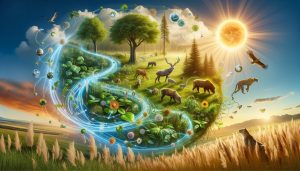
Did you know that only about 10% of the energy generated at one level of the food chain is available for the next? This intriguing concept, known as the 10-Rule or Ten Percent Law, plays a crucial role in understanding ecosystem energy efficiency. As we navigate a world increasingly impacted by human activities, grasping this principle can empower you to make more informed decisions about our environment. By understanding how energy flows through ecosystems, you can appreciate the delicate balance that sustains life on Earth. Join us as we explore the importance of energy transfer in ecosystems, the implications for biodiversity, and practical ways you can contribute to ecological sustainability in your daily life. This knowledge not only enriches your understanding of nature but also inspires a more responsible approach to how we interact with our planet.
Understanding the 10-Rule in Ecology
Understanding the 10% rule in ecology helps illuminate the intricate web of life that sustains our planet’s ecosystems. This principle indicates that when energy is transferred from one trophic level to another-think of a food chain connecting plants to herbivores and then to carnivores-typically only about 10% of the energy is passed along. The remaining 90% is lost primarily through metabolic processes as heat, respiration, movement, and excretion. This phenomenon underscores the importance of energy efficiency within ecosystems and frames our understanding of energy flows.
Consider the implications of this energy transfer efficiency on food chains. For instance, if a plant produces 1,000 calories of energy through photosynthesis, only about 100 calories would be available to the herbivore that consumes it. If a carnivore then eats the herbivore, it might receive just 10 calories of that energy. This cascading loss illustrates why top predators are often fewer in number compared to primary producers and why ecosystems typically support fewer higher trophic levels.
The 10% rule serves not only as a model for understanding ecological dynamics but also emphasizes the fragility of biodiversity. When energy is less available at higher trophic levels, any disruption to lower levels-like habitat loss or climate change-can have significant repercussions throughout the ecosystem. Preserving a healthy balance of each trophic level is crucial for maintaining biodiversity and ecosystem resilience.
To adopt a more sustainable lifestyle, it’s vital to recognize the role of energy efficiency in our daily choices. Simple actions like reducing meat consumption, opting for local produce, or even supporting sustainable agricultural practices can make a difference. Understanding the 10% rule empowers us to make informed choices that align with ecological balance, ensuring that we contribute positively to the health of our planet. Sustaining ecosystems is not just the responsibility of conservationists; it’s a collective effort that involves every individual making conscious choices to protect our shared environment.
The Science Behind Energy Transfer Efficiency

Understanding the intricacies of energy transfer efficiency in ecosystems reveals the delicate balance of life that sustains our planet. At its core, the principles of energy transfer emphasize that energy diminishes as it moves up the trophic levels in food chains. Specifically, the well-known 10% rule outlines that only about 10% of the energy from one level is transferred to the next. This substantial loss, primarily occurring through heat production, metabolic processes, and other biological functions, explains why ecosystems are structured the way they are.
This efficiency-or inefficiency-of energy transfer can be likened to a cascading waterfall, where each drop that flows downward loses volume along its path. For instance, when a primary producer, like a plant, converts sunlight into energy through photosynthesis, it may produce 1,000 calories. Once a herbivore consumes this plant, only about 100 calories are available for further energy transfer to a predator. This diminishing return becomes strikingly apparent when considering apex predators, which can receive as little as 10 calories from the herbivores they consume. Such a dramatic decrease not only limits the population sizes of higher trophic levels but also shapes the overall dynamics and health of the ecosystem.
- Metabolic Losses: Energy is lost through respiration and bodily functions, which accounts for a significant portion of energy inefficiency.
- Waste Output: Other losses occur through waste, as organisms do not fully consume their food and excrete undigested matter.
- Heat Dissipation: Much of the energy is lost as heat due to the second law of thermodynamics, which states that energy transformations are not 100% efficient.
The implications of this energy transfer are significant, affecting biodiversity and the stability of ecosystems. A disruption at the base level, such as deforestation or pollution impacting plant growth, can ripple through the food web, leading to declines in herbivore and predator populations. Thus, maintaining healthy ecosystems requires awareness and action. Individuals can contribute by supporting sustainable food sources, reducing waste, and promoting conservation efforts that aim to protect the integrity of natural habitats. By understanding and applying the lessons from the 10% rule, we can enhance our efforts to live sustainably and foster an environment that supports diverse and resilient ecosystems.
The Role of Trophic Levels in Ecosystems

Understanding the intricate web of life in an ecosystem begins with recognizing the distinct roles that different organisms play in the food web. At the heart of this dynamic system is the concept of trophic levels, which categorize organisms based on their feeding relationships and energy transfer within an ecosystem. The structure usually consists of primary producers, primary consumers, secondary consumers, and apex predators, each pivotal for maintaining ecological balance.
Primary producers, such as plants and algae, are at the base of this hierarchy. They harness energy from the sun through photosynthesis, converting it into chemical energy stored in their tissues. This foundational role is critical as it initiates the flow of energy through the ecosystem. When herbivores, or primary consumers, feed on these producers, they acquire only about 10% of the energy contained within the plants. This energy diminishment continues up the trophic levels as secondary consumers prey on herbivores, and in turn, apex predators hunt those secondary consumers, illustrating the inefficiency of energy transfer. The reliance on a vast number of primary producers is essential for supporting the larger populations of consumers, echoing the idea that more energy is available at lower trophic levels.
This interconnectedness signifies that any disruption in one level can reverberate throughout the ecosystem. For instance, a decline in plant health due to environmental factors such as pollution or climate change can lead to reduced food availability for herbivores, affecting their populations and ultimately cascading to secondary consumers and apex predators. Thus, conservation efforts need to protect not just the species of concern but their entire habitat.
Strengthening our understanding of these roles can empower us to take action. Supporting sustainable agricultural practices, reducing pesticide use, and promoting biodiversity can help maintain the integrity of these trophic levels. As individuals, we play a critical role in this ecosystem by choosing environmentally responsible products and promoting healthy, balanced ecosystems in our communities. The delicate balance of trophic levels drives home the importance of our collective efforts in nurturing and preserving the natural world around us.
Impact of the 10-Rule on Biodiversity
The intricate relationship between energy transfer efficiency as defined by the 10% rule and biodiversity is a critical aspect of ecology that underscores the delicate balance within ecosystems. Biodiversity, which refers to the variety of life in a given ecosystem, depends heavily on the flow of energy through different trophic levels. Because only about 10% of energy from one level is passed to the next, these energy dynamics directly influence the population sizes and health of various species.
A diverse ecosystem thrives on a robust foundation of primary producers, such as plants and phytoplankton, which capture and store solar energy. The efficiency of these producers to convert sunlight into energy not only supports herbivores but also sets the stage for a rich variety of life across all trophic levels. In systems with high biodiversity, species are more resilient to disturbances, as different organisms often rely on varying resources and energy pathways. For instance, in a biodiverse forest, the loss of a single tree species may have less impact on overall ecosystem functionality compared to a monoculture, where such a loss could be catastrophic.
The Ripple Effect of Energy Loss
As energy diminishes at each level of the food web, predators at the top must rely on a greater number of prey species to meet their energetic needs. This interdependence means that a decrease in a single species can lead to cascading effects, disrupting entire food webs. For instance, if a significant predator were to decline, its prey population could explode unchecked, leading to overgrazing or depletion of primary producers. Such scenarios highlight the importance of maintaining not just individual species but whole communities and habitats to support ecological balance.
One effective way to foster biodiversity is through sustainable land management practices that recognize and nurture ecological relationships. For example, farmers who rotate crops or practice agroforestry are not only improving soil health but also enhancing the biodiversity of pollinators and other beneficial organisms. This approach not only ensures better yields due to healthier ecosystems but also contributes to a more resilient agricultural landscape that can better withstand climate variability.
In conclusion, understanding the impact of the 10% rule on biodiversity empowers us to make informed choices that promote ecological integrity. By supporting biodiversity through conscious consumption and sustainable practices, we can help maintain the intricate balance of our ecosystems. Embracing this interconnectedness can lead to healthier environments, benefiting both the planet and future generations.
Real-World Examples of Ecosystem Energy Flow

The intricate web of energy transfer within ecosystems vividly illustrates the practical implications of the 10% rule. This rule posits that as energy moves through different trophic levels-from primary producers like plants to primary consumers such as herbivores, and then to secondary and tertiary consumers (predators)-only about 10% of the energy at one level is available to the next. This energy loss is not just a theoretical concept but has profound effects on real-world ecosystems.
One striking example comes from marine ecosystems, particularly coral reefs. Coral reefs are often referred to as the “rainforests of the sea” due to their incredible biodiversity. They rely on a group of primary producers known as zooxanthellae, which are algae that live within coral tissues. Through photosynthesis, these algae convert sunlight into energy, with only about 10% of that energy available to the coral. This limited energy transfer is crucial because it supports not only the corals themselves but also a myriad of species that rely on reefs for habitat and food. Human activities that disrupt these systems-such as overfishing or pollution-can significantly impact energy flow, leading to declines in fish populations and the overall health of the ecosystem.
In terrestrial environments, consider the example of a temperate forest. In these forests, trees act as primary producers, capturing solar energy and transforming it into biomass. When herbivores, such as deer, consume the leaves, they only utilize about 10% of the energy stored in them. The remaining 90% is lost through metabolic processes, heat, and waste. This energy inefficiency means that higher-level predators, like wolves, need to maintain populations of prey species, and a healthy balance must be preserved to support the entire ecosystem. If deer populations were to surge due to a lack of predation, overgrazing could lead to the depletion of younger trees and alter the entire structure of the forest ecosystem.
The ripple effects of energy inefficiency extend even to agricultural practices. For instance, in industrial farming, monocultures (growing a single crop over a large area) may seem economically efficient but can actually reduce the overall energy flow within the ecosystem. By limiting biodiversity, soil quality typically declines, which affects the energy available to plants, leading to reduced yields over time. Conversely, polyculture farming, which encourages planting multiple species together, can enhance energy efficiency by promoting biodiversity, improving soil health, and creating more resilient agricultural systems.
Understanding these real-world examples empowers us to make informed decisions that can support ecological balance. By adopting practices such as supporting sustainable farming, reducing waste, and protecting natural habitats, we can help ensure that the energy flow within ecosystems remains robust and resilient. Every small action counts in fostering healthier ecosystems that can support not only diverse species but also future generations of humans.
How the 10-Rule Affects Food Chains

Energy transfer within food chains is a captivating yet sobering reality of ecological dynamics, primarily governed by the 10% rule. This principle elucidates that only about 10% of the energy from one trophic level is transferred to the next, which means that as we ascend the food chain-from plants to herbivores and then to predators-much of the energy is lost to metabolic processes and inefficiencies. This energy limitation sets the stage for understanding how food chains operate and their implications on ecosystem health.
When you consider a basic food chain, it typically begins with producers like plants that harness sunlight to create energy through photosynthesis. When an herbivore, like a rabbit, consumes these plants, it only utilizes a fraction of the energy-approximately 10%-stored in the plant tissues. The remaining energy dissipates as heat, through movement, and other biological processes. This same trend continues along the food chain: when a predator, such as a fox, preys on the rabbit, it similarly only absorbs about 10% of the energy initially captured by the plants. Consequently, the available energy decreases significantly at each successive trophic level.
This cascading energy loss has profound implications for the structure and stability of ecosystems. For instance, if a primary consumer’s population increases unchecked-perhaps due to a reduction in predators-it may overgraze plants, leading to habitat degradation. Such an imbalance not only endangers the primary producers but also jeopardizes the entire food chain, affecting all dependent species. In contrast, a well-balanced ecosystem, with healthy populations across all levels, can maximize energy flow and, consequently, biodiversity, which is crucial for resilience against environmental changes.
Understanding this energy flow also empowers us to make more informed, sustainable choices. For example, embracing practices that promote biodiversity, such as supporting local farms using diverse cropping systems, can enhance energy efficiency in food production. Similarly, reducing food waste ensures more of the energy that goes into food production remains available for consumption rather than being lost. The 10% rule serves as a powerful reminder of our interconnectedness within ecosystems, urging us to consider how our choices affect not only what we eat but also the health of the planet as a whole. By making conscious decisions, we can contribute to a more sustainable future, supporting the delicate balance that sustains life.
Factors Influencing Energy Efficiency in Ecosystems
The efficiency with which energy flows through ecosystems is influenced by a multitude of factors that shape how organisms interact with one another and their environment. One of the most significant is the quality of the primary producers-typically plants, which convert solar energy into chemical energy via photosynthesis. The more efficient a plant is at capturing sunlight and converting it into biomass, the more energy is available for the next trophic level. Factors such as soil quality, climate conditions, and water availability can dramatically impact plant productivity, thereby influencing the entire energy transfer process.
Another critical aspect is the metabolic rates of organisms within the food chain. Herbivores that consume plants have varying efficiencies in how well they convert plant material into their own body mass. Species adapted to a particular diet may be more efficient at extracting energy from specific plants. For instance, ruminants like cows have specialized stomachs that help them digest tough plant fibers, allowing them to derive more energy compared to other herbivores with less specialized digestive systems. As a result, diverse diets within herbivore populations can lead to variations in energy availability for predators, impacting the overall structure of the ecosystem.
Population dynamics, too, play a crucial role in energy efficiency. Predators help maintain balanced populations of herbivores, which in turn ensures that primary producers are not overgrazed and can continue to thrive. A well-balanced ecosystem, where predators, herbivores, and plants are in harmony, maximizes energy flow and enhances biodiversity. Conversely, when predator populations decline-due to habitat destruction or human activity-herbivore populations can explode, leading to overgrazing and reduced plant biomass, thus diminishing energy availability at higher trophic levels.
Finally, human influence significantly alters energy transfer within ecosystems. Practices such as agriculture, deforestation, and pollution can disrupt natural energy flows. For example, monoculture farming diminishes biodiversity and can lead to less efficient energy utilization among plant species. Choosing to support agricultural methods that prioritize biodiversity, such as permaculture, can enhance energy flow through ecosystems while promoting sustainability. Individuals can make impactful choices in their consumption habits, supporting local and sustainable farming practices that mimic natural ecosystems and thus promote energy efficiency.
Understanding the intricate web of factors influencing energy efficiency not only provides insight into the functioning of ecosystems but also emphasizes the importance of making conscious decisions that can enhance ecological balance and longevity.
Applications of the 10-Rule in Conservation Efforts
Understanding the delicate balance of energy transfer within ecosystems is crucial for effective conservation efforts. The 10% rule serves as a guiding principle for ecologists and conservationists alike, revealing that only about 10% of energy is passed from one trophic level to the next. This principle highlights the importance of maintaining biodiversity, as a diverse ecosystem can support a greater variety of producers, consumers, and decomposers, ultimately leading to more efficient energy flow.
Conservation strategies can be informed by this understanding in several ways. For instance, preserving native plant species is essential because they are typically the most efficient at capturing sunlight and converting it into biomass. Initiatives such as restoring local habitats or creating native plant gardens can help enhance energy efficiency at the base of the food chain. These efforts not only support local wildlife but also improve the overall health of the ecosystem.
Furthermore, integrating the 10% rule into wildlife management practices can optimize the balance of predator and prey populations. Controlled hunting and reintroduction of apex predators can help regulate herbivore numbers, preventing overgrazing and promoting plant growth. In turn, healthier plant populations increase energy availability for herbivores, fostering a more robust ecosystem overall.
Incorporating community education and involvement is also pivotal in applying the 10% rule to conservation. Informing the public about the interconnectedness of species and the energy flow within ecosystems empowers them to make more conscious choices in their daily lives, such as supporting local farmers, reducing waste, or participating in conservation programs. By creating a shared understanding of the significance of energy efficiency in ecosystems, we can cultivate a collective responsibility for maintaining ecological health.
While the complexities of ecosystems may seem daunting, individuals can take meaningful actions that align with the 10% rule. Whether it’s engaging in local conservation efforts, advocating for sustainable practices, or choosing eco-friendly products, every effort counts. Together, these actions can lead to significant positive changes in how energy is utilized within our environments, sustaining both biodiversity and ecosystem health for future generations.
Measuring Ecosystem Health through Energy Efficiency
Assessing the health of an ecosystem can be akin to monitoring vital signs in a human body: energy flow plays a crucial role in understanding ecological vitality. The concept of the 10% rule in ecology, which posits that only about 10% of energy is transferred from one trophic level to the next, serves as a powerful measure of this energy efficiency. High energy transfers between trophic levels can indicate a thriving ecosystem where producers effectively convert solar energy into biomass, and consumers maintain healthy populations. Conversely, poor energy transmission often signals ecosystem distress, such as loss of biodiversity or habitat degradation.
A robust measurement of ecosystem health through energy efficiency can include several practical indicators such as:
- Biodiversity Metrics: Higher biodiversity often correlates with improved energy efficiency. Diverse species facilitate various ecological roles, enhancing the organization’s ability to capture and utilize energy sources.
- Population Dynamics: Monitoring herbivore and predator populations helps assess balance in the food web. A healthy population ratio will indicate effective energy flow, while imbalances may suggest environmental stress.
- Biomass & Primary Production: Measuring biomass at a given trophic level can reveal the energy available for higher levels. High primary production indicates plentiful energy capture, allowing for a more vibrant ecosystem.
In practice, ecologists and conservationists can evaluate these indicators through field surveys, remote sensing technology, and data analysis. For instance, satellite imagery can quantify biomass and primary production across landscapes, revealing energy trends over time.
Individual actions can also complement these scientific assessments. Incorporating energy-efficient practices in daily life, such as reducing waste and choosing local foods, can enhance the ecological energy flow. Support for conservation initiatives not only directly improves energy efficiency but also enriches local biodiversity. By understanding and monitoring energy dynamics, we cultivate a deeper connection to our environment, ensuring its resilience and health for future generations.
Sustainable Practices to Enhance Ecosystem Energy Flow
In today’s world, every small choice can contribute significantly to enhancing the energy flow in our ecosystems. The idea of sustainable living is more than just a trend; it’s a vital part of maintaining the balance of energy transfer as outlined by the 10% rule in ecology. By adopting eco-friendly practices, we can help improve energy efficiency at all trophic levels, supporting not just our local environments but also the planet as a whole.
One effective way to enhance ecosystem energy flow is by practicing sustainable agriculture. By utilizing methods like crop rotation and organic farming, we can improve soil health and biodiversity, which in turn increases primary production. Such practices ensure that more energy is captured and converted into biomass, providing a robust food source for herbivores and higher trophic levels. Similarly, reducing food waste is crucial; composting organic waste not only recycles nutrients back into the soil but also significantly decreases the energy wasted in food production.
Another impactful approach is the promotion of energy-efficient home and lifestyle choices. Implementing renewable energy sources, such as solar panels or wind turbines, can drastically reduce your carbon footprint and enhance energy flow through the local ecosystem. Additionally, using energy-efficient appliances and sustainable materials in home renovations can lessen energy consumption and optimize energy use within your household. This not only reduces individual ecological footprints but also supports local economies and communities committed to green technologies.
Moreover, engaging in community conservation efforts plays a significant role in maintaining energy stability in ecosystems. Participating in tree planting initiatives, supporting local wildlife conservation projects, or advocating for policies that protect natural habitats can contribute to healthier energy flows. These efforts help preserve biodiversity, which is critical for effective energy capture and utilization across various trophic levels.
By embracing these sustainable practices, individuals can foster a more resilient and energy-efficient ecosystem while cultivating a personal sense of responsibility towards the environment. Each choice makes a difference, creating a ripple effect that extends beyond our own backyards and contributes to a healthier, more sustainable planet.
Future Implications of Energy Efficiency in Ecology
Understanding energy efficiency in our ecosystems is becoming increasingly critical as we face the dual challenges of climate change and biodiversity loss. The 10% rule illustrates a fundamental principle of energy transfer, highlighting the inefficiencies inherent in food webs. As we look to the future, enhancing energy efficiency in ecological systems has vast implications for sustainability, conservation efforts, and our collective ecological footprint.
One promising avenue is the incorporation of regenerative practices in agriculture and land management. By embracing methods such as permaculture, agroforestry, and no-till farming, we can increase the energy captured by primary producers (plants) while supporting biodiversity. These practices improve soil health, enhance carbon sequestration, and ultimately make ecosystems more resilient to disturbances, promoting a more stable energy flow through the trophic levels.
The role of technology cannot be overstated in future conservation efforts aimed at improving energy efficiency. Innovations such as precision agriculture leverage data and analytics to minimize resource inputs, reducing waste and enhancing productivity. Additionally, urban planning strategies focused on green roofs, vertical gardens, and sustainable transport options can also boost energy efficiency within city ecosystems, where biodiversity thrives alongside human populations.
To create a sustainable future, individuals can play a significant part by adopting energy-efficient practices in daily life. Implementing simple changes like reducing meat consumption, supporting local produce, and investing in renewable energy sources not only decreases individual carbon footprints but fosters a ripple effect that supports community initiatives. Every small effort contributes to the larger goal of ecological balance and energy efficiency, empowering individuals to take charge of their environmental impact.
As we move forward, understanding the intricate connections between energy flow, ecosystem health, and human activity will be crucial. By making informed choices that enhance energy efficiency, we hold the potential to not only preserve biodiversity but also ensure that ecosystems continue to thrive for generations to come.
Incorporating the 10-Rule into Personal Sustainability Efforts
Understanding how energy transfers and dissipates in ecosystems can empower individuals to make choices that enhance sustainability in their daily lives. The 10% rule highlights that only about 10% of energy from one trophic level is passed to the next, emphasizing the importance of minimizing waste in our interactions with these energy systems. By applying this principle, individuals can make a substantial impact on their ecological footprint.
Practical Steps for Personal Sustainability
Individuals looking to incorporate the 10% rule into their lives can adopt several practical actions:
- Reduce Meat Consumption: The production of meat is resource-intensive and contributes significantly to energy loss as it moves through various levels of the food chain. By opting for plant-based meals more frequently, you can lower the demand for meat and the associated environmental impact.
- Support Local Agriculture: Buying from local farmers reduces transportation energy, supports local economies, and generally ensures fresher, more nutritious food. This not only keeps more energy within your community but also minimizes losses incurred through shipping and storage.
- Embrace Energy-Efficient Practices: Simple changes at home, such as using energy-efficient appliances, can significantly reduce energy consumption. Consider switching to LED light bulbs, utilizing energy-saving modes on devices, and investing in programmable thermostats to optimize energy use.
- Invest in Renewable Energy: Transitioning to solar or wind energy sources decreases reliance on fossil fuels, which contribute to greenhouse gas emissions. Many regions offer incentives for homeowners to install renewable energy systems, making it a financially and environmentally savvy choice.
Understanding Your Ecological Footprint
By analyzing and understanding personal ecological footprints-essentially how much nature it takes to support your lifestyle-you can find various areas to improve energy efficiency. Tools and calculators available online make it easier to evaluate your impact and identify ways to lower it. Focus on reducing waste, reusing when possible, and recycling materials to ensure that energy stays within the ecosystem as efficiently as possible.
Encouraging Community Initiatives
Participating in or initiating local environmental efforts can amplify your individual contributions. Community gardens, neighborhood composting programs, and local clean-up days all help reinforce energy flow within the ecosystem and strengthen local ties. These initiatives not only reduce waste but also educate others about sustainable practices inspired by the 10% rule, creating a collective momentum toward ecological responsibility.
Making informed decisions today fosters a healthier planet for tomorrow. By embracing the tenets of the 10% rule through personal and community initiatives, individuals play a pivotal role in sustaining biodiversity and enhancing the resilience of our ecosystems. As small changes build, they contribute to a more substantial transformation, inspiring others to follow suit in the quest for a greener future.
Frequently asked questions
Q: What is the 10% rule in ecology?
A: The 10% rule in ecology states that when energy is transferred from one trophic level to the next in an ecosystem, only about 10% of the energy is available for the next level. The remaining 90% is lost primarily as heat through metabolic processes and other life activities.
Q: How does the 10% rule affect the availability of energy in food chains?
A: The 10% rule significantly impacts food chains, as energy diminishes at each trophic level. For instance, if a plant captures 1,000 calories of sunlight, only about 100 calories are available to herbivores that consume the plant, and merely 10 calories would be available to the carnivores that eat the herbivores. This energy loss limits the number of trophic levels.
Q: Why is the 10% rule important for understanding ecosystems?
A: The 10% rule is crucial for understanding ecosystems as it illustrates energy flow and the limitations of biomass production. By highlighting how energy is lost at each level, the rule helps to explain the relative abundance of organisms in various trophic levels and the overall dynamics within food webs.
Q: What factors can influence the efficiency of energy transfer between trophic levels?
A: Factors influencing energy transfer efficiency include the type of organisms involved, environmental conditions, and energy losses due to respiration and heat. For example, ectothermic animals may utilize energy more efficiently than endothermic animals, affecting how much energy is passed along the food chain.
Q: How can the 10% rule guide conservation efforts?
A: Understanding the 10% rule assists in conservation efforts by highlighting the vulnerability of top predators. As energy decreases at each level, conserving lower trophic levels, such as herbivores and producers, is vital for maintaining the entire ecosystem’s health and supporting biodiversity.
Q: What real-world examples illustrate the 10% rule in ecosystems?
A: Real-world examples include forest ecosystems, where energy from sunlight is captured by plants, which in turn support herbivores like deer, followed by predators such as wolves. Each transition reflects the 10% rule, showcasing how energy dwindles as you move up the food chain.
Q: How does the 10% rule impact biodiversity?
A: The 10% rule impacts biodiversity by determining how many organisms can exist at each trophic level. A decline in energy availability can lead to reduced populations of higher trophic levels, ultimately affecting species diversity and ecosystem stability.
Q: What is the significance of measuring ecosystem health through energy efficiency?
A: Measuring ecosystem health through energy efficiency is significant because it provides insight into the vibrancy of an ecosystem. High energy transfer efficiency often correlates with healthy, diverse ecosystems, while low efficiency may indicate stressors such as pollution or habitat degradation.
Final Thoughts
Understanding the 10% rule in ecology highlights the importance of energy transfer within ecosystems and the intricate balance of food webs. By grasping how energy diminishes across trophic levels, you can appreciate the complexity of ecological systems and the vital role we play in sustaining them. Don’t let this insight stop here; explore our related articles on ecological efficiency and the significance of biodiversity to deepen your understanding of these interconnected concepts.
Take action today by considering how your choices impact energy consumption and ecosystem health. Whether it’s adopting sustainable living practices or seeking out eco-friendly products, every effort counts. Join our community by signing up for our newsletter, where we share tips on reducing your ecological footprint and living more sustainably. Let’s embrace a greener future together-your planet will thank you!