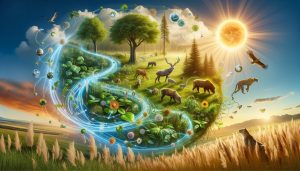
In the intricate web of ecosystems, the 10% Rule serves as a fascinating guideline: only about 10% of the energy from one trophic level is transferred to the next. This concept is crucial for understanding how energy flows through food chains, affecting everything from biodiversity to conservation efforts. As we navigate a world facing environmental challenges, grasping this principle not only enriches our appreciation for nature’s complexity but also informs our decisions on sustainable living. By recognizing the limitations of energy transfer in ecosystems, we can make more informed choices that support ecological balance and promote environmental stewardship. Dive into this exploration of the 10% Rule to uncover how this foundational concept shapes the ecosystems we depend on and how we can contribute to a healthier planet.
What Is the 10% Rule in Ecology?

Understanding energy transfer in ecosystems is crucial for appreciating the intricate balance of life. At the heart of this process lies the 10% Rule, a principle that explains why only about 10% of the energy from one trophic level is converted into energy at the next level. For instance, when a plant absorbs sunlight for photosynthesis, it uses some of that energy for its growth and maintenance, while a portion is lost as heat and other metabolic processes. Consequently, only a fraction-approximately 10%-is available to primary consumers, like herbivores that feed on those plants.
This significant energy loss occurs at each stage of the food chain, resulting in a decline in energy availability as you move up trophic levels. As a rule of thumb, this means that if a producer (like a plant) contains 1,000 calories of energy, only about 100 calories are transferred to herbivores and just 10 calories may reach primary carnivores. This phenomenon restricts the number of trophic levels within an ecosystem and shapes community structures, giving rise to a pyramid of energy that visually represents these diminishing returns.
Recognizing the implications of the 10% Rule extends beyond academic interest; it plays a vital role in conservation strategies and sustainable living. For example, understanding energy limitations helps in developing eco-friendly agricultural practices that optimize energy use and minimize waste. Consumers can also make informed dietary choices by opting for lower trophic-level food sources, like plant-based meals, which are more energy-efficient and contribute to less strain on our ecosystems. By fostering awareness of energy transfer dynamics, we can align our lifestyles with a healthier planet.
The Science Behind Energy Transfer

Energy transfer within ecosystems operates on a grand scale that often goes unnoticed but is fundamental to life on Earth. At the core of this process lies the 10% Rule, which illustrates how energy diminishes as it moves through successive trophic levels. In simplistic terms, this rule means that when energy is transferred from one level of the food chain to another, approximately only 10% of the original energy is passed on. For example, if a plant captures 1,000 calories of sunlight energy through photosynthesis, only about 100 calories will be available to herbivores that consume the plant.
Several factors contribute to this energy loss during transfer. Primarily, organisms utilize energy for essential life processes such as growth, reproduction, and maintenance of bodily functions. A significant portion is also dissipated as heat due to metabolic activities, which is a natural result of the energy transformation processes, as outlined by the laws of thermodynamics. In this context, only a small fraction of energy is converted into biomass, which can then be fed upon by higher-level consumers.
Understanding the mechanics of these energy transfers is crucial for recognizing the delicate balance of ecosystems. Each trophic level is inherently linked, showcasing the ripple effects within food webs. A reduction in energy availability at one level not only impacts those organisms directly consuming the energy source but can cascade throughout the entire ecosystem. This connectivity highlights the importance of preserving biodiversity and maintaining healthy habitats. By understanding this dynamic, individuals can make informed decisions, such as promoting sustainable agricultural practices that conserve energy and reduce waste or choosing diets that rely more on plant-based sources, which are energetically efficient and less taxing on the environment.
The implications of the 10% Rule extend into conservation and environmental education, where knowledge can inspire action towards a more sustainable lifestyle. By fostering awareness of how energy flows through ecosystems, we can mobilize efforts that align our everyday practices with the health and resilience of our planet, paving the way for future generations to inherit a balanced and thriving Earth.
Understanding Trophic Levels Explained
In the intricate web of life on Earth, every organism plays a vital role, functioning within specific layers known as trophic levels. Understanding these levels is crucial for grasping how energy flows through ecosystems. At its core, a trophic level refers to the position an organism occupies in the food chain, which is fundamentally organized into producers, consumers, and decomposers.
Producers, or autotrophs, form the base of this hierarchical structure. They harness energy from the sun through photosynthesis, converting it into chemical energy in the form of glucose. This foundational energy is then transferred to primary consumers, or herbivores, which feed on plants. As energy moves up the pyramid, it reaches secondary consumers (carnivores that eat herbivores) and tertiary consumers (carnivores that eat other carnivores), each occupying their respective trophic levels. However, the transfer of energy between these levels is inefficient, as illustrated by the 10% Rule, which posits that only about 10% of the energy from one level is available to the next.
This concept can be illustrated with a simple example: consider a field of grass (the producer) that captures 1,000 calories of sunlight. When a rabbit (the primary consumer) feeds on this grass, it only receives about 100 calories of energy. As the rabbit becomes a meal for a fox (the secondary consumer), the fox will only obtain about 10 calories from the rabbit. This substantial energy loss at each trophic level highlights the importance of each organism in maintaining ecosystem health and stability.
Understanding trophic levels is not only academically enriching but also has practical implications for eco-conscious living. By recognizing the energy dynamics of food chains, we can make informed choices about our diets, favoring plant-based foods which, as primary producers, are more energy-efficient. Additionally, supporting sustainable agriculture practices contributes to preserving biodiversity and ensuring that ecosystems remain resilient. By aligning our actions with the natural flow of energy in ecosystems, we can foster a more sustainable and harmonious relationship with our environment.
Why Only 10% of Energy Transfers
In the vast interconnected web of ecosystems, energy transfer between organisms is far from a seamless process. The concept that only about 10% of energy is transferred from one trophic level to the next is a cornerstone of ecological understanding, illustrating the inherent inefficiencies in biological energy flow. This limitation stems primarily from the fundamental laws of thermodynamics, which govern energy transformations. As energy moves through the food web, it undergoes numerous transformations and dissipations, often transforming into forms that are less usable for the next level of consumers.
When a primary producer, such as a plant, captures sunlight through photosynthesis, it converts solar energy into chemical energy stored in glucose. However, not all of this energy is available to herbivores that consume the plant. A significant portion is lost through metabolic processes, heat, and organic waste. For example, when a rabbit consumes grass, it does not assimilate all the energy stored in the grass; it uses much of it for its own sustenance. This energy is dissipated as heat or expended in vital processes like movement, growth, and reproduction. Consequently, only about 10% of the original energy captured from the sun makes its way up to the next consumer in line, in this case, the fox that preys on the rabbit.
This 10% efficiency rule has profound implications for understanding food chains and ecosystems. It highlights why higher trophic levels, such as top predators, generally require much larger biomass of producers to sustain their populations. For instance, to support a small number of hawks (top predators), a substantial population of rabbits (primary consumers) is needed, which in turn depends on a robust base of grassland (producers). Such cascading effects demonstrate how energy limitations shape community structures, influencing biodiversity and species interactions.
To enhance the sustainability of our ecosystems, it’s crucial to acknowledge these energy dynamics in our lifestyles. By opting for plant-based diets and reducing meat consumption, we can align ourselves more closely with ecological efficiency. Moreover, supporting local and sustainable farming practices fosters a healthier connection to energy flows in our environment. Understanding the energy transfer limitations in ecology not only adds depth to our appreciation of nature but also stimulates actionable choices that contribute to the health of our planet.
Impacts of the 10% Rule on Ecosystems

Understanding the limitations of energy transfer in ecosystems unveils profound implications for biodiversity and species survival. The 10% Rule-where only about 10% of energy is passed from one trophic level to the next-illustrates a cascading effect through food webs, shaping community structures and influencing ecosystem dynamics.
Higher trophic levels, such as carnivores, face significant challenges due to this energy constraint. They require vast amounts of primary producers to support even a few individuals. For example, to sustain a population of lions, an abundance of herbivores like antelope must thrive, which, in turn, depend on a substantial base of grasses and plants. This interdependence fosters a delicate balance; if primary producers decline due to drought, habitat loss, or unhealthy land management practices, it creates a ripple effect that impacts consumers up the chain.
Conversely, the implications of the 10% Rule extend to conservation efforts as well. Recognizing that energy loss limits the carrying capacity of ecosystems helps inform sustainable practices. For example, preserving habitats that support plant diversity not only enhances energy capture from the sun but also strengthens the overall resilience of the ecosystem. Promoting sustainable agricultural methods can help maintain soil health and mitigate the loss of plant species, ultimately supporting more robust food webs.
Moreover, engaging in eco-conscious living can individually contribute to mitigating these impacts. By adopting plant-rich diets, individuals can reduce the energy loss inherent in higher trophic levels. Supporting local produce also strengthens community resilience, reduces transportation emissions, and fosters a closer connection to the natural world. Collectively, these actions empower individuals to participate meaningfully in the stewardship of our planet, ensuring that all levels of the food chain can thrive amidst the complexities of energy transfer.
Real-World Examples of Energy Transfer

In the intricate dance of nature, energy transfer between trophic levels reveals fascinating real-world dynamics that shape ecosystems. One compelling example is the relationship between aquatic plants, herbivorous fish, and predatory fish in a freshwater lake. Here, the energy captured by aquatic plants through photosynthesis forms the foundation of the food web. When herbivorous fish consume these plants, they obtain roughly 10% of the energy stored by the plants. As larger predatory fish then feed on the herbivorous fish, they only receive around 1% of the original energy from the plants. This significant energy loss demonstrates how energy diminishes with each transfer, making it essential for ecosystems to have a robust base of producers to support multiple levels of consumers.
Another prime illustration is found within grassland ecosystems. Imagine a prairie teeming with grasses, insects, and grazing animals. The grasses may harness sunlight to produce substantial energy, supporting a vast population of grasshoppers. However, when birds like sparrows consume these insects, they only acquire a fraction of that energy-around 10%. This means that to sustain a population of sparrows, an abundant number of grasshoppers, along with their grass habitat, must thrive. If farming practices lead to habitat destruction or pesticide use that decimates insect populations, not only are primary producers affected, but the entire food web, including the sparrows, suffers from reduced food availability.
The implications of the 10% Rule extend beyond biological examples and touch on conservation strategies. By understanding how energy flow impacts species abundance and diversity, conservationists can prioritize habitat preservation that supports a greater number of primary producers. This fosters resilience against environmental changes. For instance, restoration projects in wetlands often focus on re-establishing native plant species, which can enhance energy capture and support a wider array of wildlife.
Ultimately, recognizing these can inspire individuals to take action, encouraging the adoption of sustainable practices that contribute to the health of ecosystems. Supporting local agricultural efforts, participating in reforestation programs, or even creating home gardens not only strengthens local biodiversity but also promotes a deeper connection with the natural world. By understanding our role in these complex systems, we can make informed choices that help preserve the delicate balance of energy flow essential for thriving ecosystems.
How the 10% Rule Affects Food Chains
Food chains are intricate networks of energy transfer, and the 10% Rule is a powerful lens through which we can understand these dynamics. Generally, when energy moves from one trophic level to the next, organisms only gain a fraction of the energy from the previous level-about 10% on average. This phenomenon has profound implications for food chain structure and stability, influencing everything from population sizes to ecosystem health.
In a typical food chain, primary producers, such as plants and phytoplankton, are at the base, harnessing sun energy through photosynthesis. When herbivores consume these producers, they convert some of that energy into biomass, but large quantities are lost as metabolic heat or through waste, averaging around 90% loss. As these herbivores become prey for carnivores, the energy transfer continues to diminish further; for instance, a secondary consumer may acquire only 1% of the energy originally captured by the primary producers. This cascading energy loss impacts the number of organisms that can be supported at each level, often resulting in fewer predators than prey.
Understanding the Implications
The restrictive nature of the 10% Rule means that energy availability can shape the very architecture of ecosystems. Populations at higher trophic levels are usually smaller because they must rely on a larger base of producers to meet their energy needs. For example, a healthy forest ecosystem may support numerous trees (producers) that can sustain many herbivorous insects, which in turn allow a smaller number of insectivorous birds to thrive, followed by top predators like hawks or owls. Disruptions in any one part of this chain, such as habitat loss or overfishing, can destabilize the entire system, leading to declines or explosions in certain populations.
Here are a few practical implications regarding the 10% Rule and its effect on food chains:
- Conservation Efforts: Protecting habitats that support primary producers is essential for maintaining the balance of food chains. Conservationists may focus on preserving wetlands, forests, or coral reefs as these ecosystems are foundational for energy transfer.
- Responsible Consumption: Understanding the energy dynamics can guide dietary choices. For instance, plant-based diets can be more sustainable since less energy loss occurs at lower trophic levels.
- Promoting Biodiversity: Healthy ecosystems with a diverse range of producers and consumers are more resilient. Supporting local, sustainable farming and gardening can enhance biodiversity and energy capture.
Recognizing and respecting the 10% Rule not only enriches our understanding of ecological relationships but also empowers us to make choices that foster sustainable living and responsible environmental stewardship. By appreciating how energy flows through these intricate systems, we can promote practices that support the health and diversity of our natural world.
The Role of Producers in Energy Flow
Producing the energy that sustains entire ecosystems is a remarkable feat performed by primary producers, such as plants, algae, and some bacteria. Through the process of photosynthesis, these organisms convert sunlight into chemical energy, forming the foundation of the food chain. This transformation not only provides energy directly to the producers themselves but also enables all other trophic levels-herbivores, carnivores, and decomposers-to thrive. is vital, as they are responsible for capturing, storing, and gradually transferring energy throughout the ecosystem, yet their efficiency dictates the limitations established by the 10% Rule.
When primary producers utilize sunlight for photosynthesis, they convert approximately only 1% of the sunlight they receive into usable energy in the form of organic matter. This energy is then available to primary consumers, such as herbivores, which can only extract about 10% of the biomass energy stored in the producers when they are consumed. The loss of energy at each trophic level underscores the importance of producers; they not only generate the initial energy but also play a critical role in mitigating the cascading effect of energy loss throughout the food chain.
To understand this concept in practical terms, consider the energy needs of a higher predator, such as an eagle. An eagle relies on numerous smaller birds and rodents for sustenance, which in turn depend on a larger base of plants. If primary producers like grasses and shrubs are abundant and healthy, they can support diverse herbivore populations, which in turn will be sufficient for carnivorous species. Conversely, if plant populations decline due to environmental stressors such as pollution or climate change, the entire food web becomes unbalanced, leading to an ecosystem with fewer animals at higher trophic levels. Therefore, preserving and promoting the vitality of producers is essential not only for energy flow but for the overall health of ecosystems.
To foster a sustainable relationship with our environment, consider the following actions that support primary producers and, by extension, the entire food chain:
- Support Local Agriculture: Purchasing from local farmers who engage in sustainable practices helps ensure that healthy crops are nurtured, minimizing energy loss in transport and fostering regional biodiversity.
- Plant Native Species: In your own gardening or landscaping efforts, incorporating native plants can enhance local ecosystems by providing food and habitat for various wildlife, thus reinforcing energy flow.
- Sustainable Practices: Engage in practices that minimize the use of harmful pesticides and fertilizers. These chemicals can negatively impact primary producers and, consequently, the entire food web.
By recognizing the crucial role of producers in energy flow, we empower ourselves to make mindful choices that contribute to a healthier, more balanced ecosystem. Supporting these foundational elements in our environment leads to vibrant, resilient ecosystems capable of sustaining diverse forms of life.
Energy Loss and Its Environmental Impact
In ecosystems, energy transfer is fundamental not just for sustenance but also for the overall health of the environment. As energy moves through various trophic levels, dramatic losses occur, fundamentally affecting biodiversity and ecological balance. This phenomenon, often encapsulated by the 10% Rule, indicates that only a fraction of energy (approximately 10%) is passed from one level to the next. The remaining energy is lost predominantly through metabolic processes, heat, and waste, illustrating the inefficiency of energy transfer in nature. This loss underscores the fragility of ecosystems, where every increment of energy drained impacts species abundance and distribution.
As energy diminishes throughout the food chain, the implications extend well beyond individual species. For instance, in a forest ecosystem, healthy plant growth (the primary producers) is essential for sustaining herbivores, which in turn support carnivores. When energy is lost and plant populations dwindle-due to factors such as climate change or habitat destruction-herbivores are unable to thrive, leading to a ripple effect across the food web. Carnivorous species may experience scarcity, disrupting predator-prey dynamics and potentially resulting in local extinctions. Such imbalances can have cascading effects, leading to a reduction in biodiversity and resilience within the ecosystem.
To counteract these energy losses and their detrimental effects, adopting sustainable practices is crucial. Individuals can contribute by making informed choices that support the vitality of primary producers. Simple actions, such as choosing to buy locally produced foods and supporting sustainable farming practices, can significantly reduce the ecological footprint. Additionally, engaging in conservation initiatives and participating in local environmental stewardship programs helps preserve critical habitats, allowing ecosystems to maintain their intricate energy flows.
By understanding the significance of energy loss in ecological dynamics, we can be inspired to act in ways that strengthen our ecosystems. Every effort, no matter how small, contributes to a healthier planet. From advocating for sustainable agriculture to planting native species in our gardens, we hold the power to make choices that enhance energy efficiency and, ultimately, the well-being of our shared environment. Embracing these practices not only benefits local ecosystems but also fosters a deeper connection to the natural world around us.
Applications of the 10% Rule in Conservation
Understanding how energy is transferred through ecosystems is crucial not only for ecology but also for conservation efforts aimed at sustaining our planet. Recognizing the implications of the 10% Rule, which states that only about 10% of the energy from one trophic level is passed to the next, can help inform strategies that effectively preserve biodiversity and promote sustainable practices.
A practical application of the 10% Rule in conservation is the emphasis on protecting and restoring habitats that support primary producers, such as plants and algae. Since these organisms form the basis of food webs, maintaining their health is essential. By investing in reforestation projects or restoring wetlands, communities can enhance the productivity of these primary energy sources, ultimately benefiting herbivores and the carnivores that rely on them. This proactive approach not only maximizes energy retention within the ecosystem but also bolsters overall biodiversity.
Another key strategy lies in optimizing agricultural practices. The 10% Rule highlights the inefficiencies present when energy moves through food chains. By promoting practices like permaculture or agroecology, which mimic natural ecosystems, farmers can improve the energy efficiency of their operations. These methods prioritize biodiversity and reduce reliance on synthetic fertilizers and pesticides, thereby sustaining local agrarian ecosystems while also providing healthier food options for consumers. Additionally, supporting local and organic farming initiatives can further enhance energy flow retention, as produce consumed with minimal processing generally requires less energy expenditure.
Furthermore, education and awareness campaigns focusing on the 10% Rule can empower individuals and communities to make informed choices that positively impact conservation efforts. Simple actions, such as reducing food waste, choosing sustainably sourced products, and actively participating in community conservation programs, can collectively promote energy efficiency at the local level.
Ultimately, the serve as a framework for fostering a more resilient and biodiverse planet. By understanding the interconnectedness of energy transfer within ecosystems, individuals and organizations can prioritize practices that not only mitigate energy loss but also enhance the vitality of our natural environments. Embracing sustainable living is not just an individual effort; rather, it’s a collective responsibility that allows us to nurture the delicate balance of life on Earth.
Exploring Exceptions to the 10% Rule
Understanding energy transfer within ecosystems generally adheres to the 10% Rule, but there are exceptions that can significantly alter this principle. The rule, which suggests that only about 10% of energy from one trophic level is transferred to the next, serves as a guideline rather than an absolute law. Various factors can lead to different efficiencies in energy transfer, making it essential to explore these exceptions for a more nuanced understanding.
One notable exception arises in environments where primary producers, like phytoplankton in marine ecosystems, exhibit high productivity due to optimal conditions such as nutrient availability and sunlight. In such cases, the energy transfer from producers to primary consumers (like zooplankton) can exceed the typical 10%, sometimes reaching 20% or more. This phenomenon underscores the importance of environmental conditions in shaping energy dynamics. For instance, in an upwelling zone where nutrient-rich waters rise to the surface, increased phytoplankton productivity results in a more substantial energy transfer to subsequent trophic levels.
Another exception involves apex predators. In certain ecosystems, the presence of a predator can enhance the vigor and health of prey populations and, consequently, the energy available for those prey. This is often referred to as the “trophic cascade effect.” By controlling herbivore populations, predators can prevent overgrazing, allowing for greater plant biomass, which translates into enhanced energy availability for primary consumers. An iconic example is the reintroduction of wolves in Yellowstone National Park, which led to an increase in elk population health and greater vegetation diversity, demonstrating how apex predators can influence energy dynamics across trophic levels.
Factors such as evolutionary adaptations also contribute to variations in energy efficiency. Some species develop unique mechanisms that allow them to extract more energy from their food. For example, certain herbivores possess exceptional digestive systems, equipped with symbiotic bacteria that efficiently break down plant material, allowing for more significant energy uptake than standard models would predict. This specialization enables these herbivores to thrive in niche environments, further complicating the straightforward application of the 10% Rule.
To foster a deeper connection with these concepts, consider evaluating the local ecosystems that surround you. Engaging in citizen science projects, such as monitoring local wildlife or plant growth, can provide valuable insights into how energy dynamics play out in your area. By understanding the unique characteristics of your local ecosystem and the factors that influence energy transfer, you can make informed decisions that encourage biodiversity and sustainable practices. Whether through supporting local conservation efforts or choosing to engage in sustainable gardening practices, each action contributes to the greater goal of maintaining ecological balance.
Future Perspectives on Energy Transfer in Ecology
Understanding energy transfer in ecosystems is critical for addressing the challenges of climate change and biodiversity loss. As we look to the future, the concepts derived from the 10% Rule can guide us in creating more sustainable practices that enhance energy efficiency within food webs. With growing knowledge of ecosystem dynamics, we can adopt innovative strategies that maximize resource use and promote healthy habitats.
One promising avenue to explore is the integration of technology and ecological science. Smart agriculture practices, for example, leverage data analytics and IoT devices to optimize resource usage-minimizing waste while maximizing yield. By monitoring soil conditions and crop health in real time, these technologies help farmers allocate energy and nutrients more efficiently, directly affecting energy transfer within their ecosystems. Such advancements may not only increase production but also support soil health and biodiversity.
Additionally, as we deepen our understanding of ecological interactions, there’s potential for improving conservation efforts. By recognizing the role of keystone species and their impact on energy flow, conservation strategies can be tailored to maintain or restore these critical populations. For example, protecting apex predators not only contributes to ecological balance but also promotes the healthy turnover of nutrients through various trophic levels. This holistic approach reaffirms the interconnectedness of life and offers a template for future ecological management.
Finally, public engagement and education play a vital role in the evolution of energy transfer concepts. Encouraging communities to participate in local conservation efforts, whether through habitat restoration projects or citizen science initiatives, fosters a deeper understanding of ecological principles. By empowering individuals to take action, we can collectively enhance biodiversity, leading to healthier ecosystems capable of supporting more extensive energy exchanges than previously imagined. This, in turn, can create a ripple effect, inspiring further engagement and sustainable practices across various sectors.
By embracing these perspectives, we not only refine our approaches to energy transfer in ecology but also cultivate a more sustainable future for our planet. Through informed and proactive measures, each individual can contribute to healthier ecosystems that benefit both wildlife and human communities alike.
Frequently asked questions
Q: What is the 10% Rule in Ecology?
A: The 10% Rule in ecology states that when energy is transferred through a food chain, only about 10% of the energy is passed on to the next trophic level, while the rest is lost primarily due to metabolic processes. This concept helps illustrate energy limitations in ecosystems.
Q: Why is only 10% of energy transferred between trophic levels?
A: Only 10% of energy is transferred due to energy loss from respiration, heat, and waste. Each trophic level utilizes energy for metabolic processes, leaving less available for the next level. This results in a decrease in energy available as you move up the food chain.
Q: How does the 10% Rule affect food chains?
A: The 10% Rule impacts food chains by limiting the number of trophic levels within an ecosystem. Fewer energy stores mean fewer large predators can exist, leading to food chains that are generally short, usually comprising 3 to 5 levels.
Q: What are the implications of the 10% Rule for ecosystem stability?
A: The 10% Rule can affect ecosystem stability by making higher trophic levels more sensitive to changes in the ecosystem. As energy diminishes at each level, disruptions such as overfishing or habitat loss can lead to significant drops in predator populations.
Q: Are there any exceptions to the 10% Rule in ecology?
A: Yes, exceptions to the 10% Rule can occur in certain ecosystems where energy transfer is more efficient, such as productive environments like coral reefs. Factors like abundant resources and specialized adaptations can increase energy transfer rates beyond the standard 10%.
Q: How can the 10% Rule inform conservation efforts?
A: Understanding the 10% Rule helps in formulating effective conservation strategies by emphasizing the need to protect producers and lower trophic levels. Conserving biodiversity at these levels can sustain the energy flow necessary for higher-level consumers.
Q: What role do producers play in the 10% Rule?
A: Producers, such as plants and phytoplankton, are crucial in the 10% Rule as they convert solar energy into organic matter. They form the base of the food web, with their ability to capture energy driving the energy flow through the ecosystem.
Q: How does energy loss impact the environment?
A: Energy loss at each trophic level leads to lower population densities of higher-level consumers and influences species interactions. It highlights the importance of maintaining healthy ecosystems to ensure energy availability and biodiversity.
For further insights into the 10% Rule and its ecological implications, feel free to explore related sections on energy transfer within food chains and its impact on biodiversity.
Wrapping Up
Understanding the 10% Rule in Ecology highlights the crucial limitations of energy transfer in ecosystems. As you explore this concept, consider how these principles affect biodiversity and your ecological footprint. To dive deeper into sustainable practices, check out our articles on green renovations and organic living, which provide actionable steps to reduce your environmental impact.
Don’t wait to make a difference-embrace these insights today! Join our newsletter for tips on sustainable living, and explore our resources to empower your journey toward eco-conscious choices. Share your thoughts in the comments below, and let’s inspire each other to nurture our planet. Remember, the choices we make today can lead to a healthier tomorrow for all.