With growing environmental concerns, understanding effective eco comprehension methods is vital for fostering a sustainable mindset. Did you know that adopting just a few eco-friendly practices can significantly reduce your ecological footprint? This article explores various approaches that make green learning more accessible and impactful, helping you navigate the complexities of sustainability while aligning with your values and lifestyle goals. Whether you aim to minimize waste, support biodiversity, or embrace renewable energy, the right comprehension methods can empower you to make informed decisions that benefit both your community and the planet. Join us as we delve into the most effective strategies for integrating ecological knowledge into your daily life, ensuring that each choice contributes to a healthier world for future generations.
Understanding Eco Comprehension Methods for Green Learning
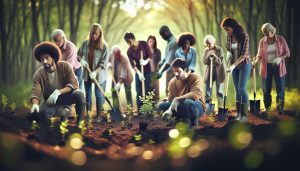
To genuinely engage in green learning, it is crucial to adopt various eco comprehension methods that resonate with our environmental responsibilities. One such method is the concept of experiential learning, which emphasizes active participation over passive observation. By engaging in hands-on activities, such as community gardening or wildlife monitoring, learners can directly connect with ecological concepts and understand their implications on a personal level. This immersive approach not only enhances understanding but also fosters a deeper emotional connection to environmental preservation.
Incorporating multi-modal resources, such as videos, podcasts, and interactive online content, also proves effective in catering to different learning styles. For instance, visual learners may benefit from documentaries showcasing the impact of climate change, while auditory learners might grasp concepts through ecological podcasts or discussions. Utilizing diverse formats ensures that ecological education reaches a broader audience and addresses varying preferences and capacities.
Another important method is the establishment of collaborative learning environments. Group activities, discussions, and projects can create a sense of community around ecological issues. For example, organizing local clean-up events or sustainability workshops not only educates participants but also strengthens community bonds. By collaborating, individuals share knowledge and skills, increasing overall eco literacy while empowering everyone involved to contribute to eco-friendly initiatives.
Additionally, adopting reflective practices-where learners analyze their experiences and the broader context of environmental issues-reinforces eco comprehension. Journaling about nature walks, discussing personal impacts on biodiversity, or examining one’s ecological footprint are all ways to promote critical thinking and personal accountability regarding environmental stewardship.
In summary, a multifaceted approach that combines experiential learning, diverse resources, collaborative efforts, and reflective practices fosters a richer understanding of eco-comprehension methods, effectively empowering individuals to embrace and advocate for sustainable living.
The Importance of Eco Literacy in Today’s World
In an era where climate change and environmental degradation dominate headlines, the significance of eco literacy has never been more pronounced. Eco literacy encompasses understanding the interconnections between natural systems and human activities, shaping informed citizens who can make choices that support sustainability. As individuals become aware of their ecological footprints, they can take actionable steps toward reducing their impact, thus contributing to a healthier planet.
The ability to engage with complex environmental issues is foundational for fostering a generation that’s not only aware but also equipped to act. For instance, when communities are educated about biodiversity loss and its implications, they are more likely to participate in local conservation efforts or support policies that protect natural habitats. Education initiatives that emphasize practical skills-like urban gardening, water conservation techniques, and renewable energy use-empower individuals to implement sustainable practices in their daily lives. By integrating eco literacy into educational curricula, we pave the way for enlightened citizens who prioritize ecological health alongside personal and community welfare.
Moreover, eco literacy is critical in bridging the gap between scientific research and public understanding. When individuals comprehend scientific concepts such as climate dynamics or ecosystem services, they can engage in informed discussions and advocate for evidence-based solutions to environmental challenges. Examples abound, from participating in local environmental policy discussions to influencing corporate sustainability initiatives, highlighting how informed citizens can drive change at multiple levels.
In summary, enhancing eco literacy won’t just help individuals make better choices; it cultivates a collective responsibility towards the environment, encouraging sustainable lifestyles that can mitigate climate change and promote biodiversity. By fostering an eco-literate society, we empower a future where environmental stewardship is inherent in our communities.
Exploring Different Eco Comprehension Techniques
In an age where sustainable living is critical for our planet’s future, understanding various eco comprehension techniques can empower individuals and communities to adopt greener practices. These methods can transform abstract ecological concepts into tangible actions that enhance our connection with the environment. Exploring different approaches to eco comprehension will inspire personal responsibility and foster a culture of sustainability.
One effective technique for enhancing eco comprehension is experiential learning, which emphasizes hands-on involvement with the environment. Activities like community garden projects, wildlife conservation efforts, and beach clean-ups provide participants with practical knowledge about biodiversity and ecosystem functions. For instance, students engaged in urban gardening learn not only about plant biology but also about the importance of local food systems and their impact on carbon footprints. This combination of theory and practice solidifies understanding and encourages sustainable behaviors in daily life.
Another powerful approach is storytelling, which can make environmental issues relatable and compelling. Sharing narratives about people positively impacted by sustainable practices or communities overcoming environmental challenges captures attention and evokes emotional responses. Documentaries, podcasts, and social media campaigns can serve as platforms for these stories, driving home the message that individual actions can lead to meaningful change. By connecting personally with eco-conscious narratives, individuals are more likely to think critically about their choices and become advocates for sustainability.
Interactive technology, such as apps and virtual reality experiences, also plays a significant role in eco comprehension. Tools like carbon footprint calculators or educational games that simulate ecological scenarios allow users to visualize the consequences of their choices. For example, apps that track personal energy consumption can prompt users to consider how small changes, such as using energy-efficient appliances, can lead to significant environmental benefits. These engaging and accessible formats cater to diverse learning styles, making eco literacy attainable for all.
By embracing a variety of eco comprehension techniques, we can foster a culture of sustainability that aligns educational efforts with practical application. Each method contributes uniquely to building awareness and empowering individuals to take action. Whether through hands-on experiences, impactful storytelling, or innovative technology, these strategies can inspire a widespread shift towards sustainable living.
Comparative Analysis of Eco Learning Strategies
The search for effective eco learning strategies is crucial as environmental challenges intensify. Among the multitude of approaches, three prominent strategies stand out: experiential learning, storytelling, and the use of technology. Each method not only captures attention but also facilitates deeper understanding and engagement in sustainable practices.
Experiential Learning
Experiential learning emphasizes hands-on participation in ecological activities. Programs that involve community-based initiatives, like urban gardening or local clean-up efforts, allow individuals to apply theoretical knowledge to real-world situations. This approach fosters a sense of ownership and responsibility towards the environment. For instance, participating in a community garden can educate about biodiversity while simultaneously addressing food security, thus combining multiple learning aspects into a practical framework. Engaging directly with nature not only enhances understanding of ecological concepts like local food webs and sustainability but also instills lasting behavioral change.
Storytelling and Narrative Engagement
Storytelling serves as a powerful vehicle for eco comprehension by making abstract concepts relatable. Narratives that highlight personal experiences with sustainability-whether it’s a family reducing their carbon footprint or a community overcoming pollution-can evoke emotional responses that resonate with audiences. Documentaries and social media platforms amplify these stories, transforming them into accessible content that encourages individuals to reflect on their choices and actions. By connecting with relatable experiences, individuals are inspired to embrace sustainable practices as part of their identities, thus creating a ripple effect in their communities.
Integration of Technology
Technology plays an invaluable role in modern eco learning strategies. Interactive apps and virtual reality experiences allow learners to visualize and simulate environmental impacts. Tools like carbon footprint calculators empower users to make informed decisions about their lifestyle choices. For instance, an app might illustrate the annual savings in emissions by switching to energy-efficient appliances, making the benefits of sustainable choices immediate and understandable. This integration not only caters to various learning styles but also makes eco education engaging and relevant, encouraging a wider audience to participate in sustainability efforts.
By analyzing these eco learning strategies, it becomes evident that a combination of methods-experiential, narrative-driven, and technology-based-can create a comprehensive framework for fostering eco literacy. Each approach enhances engagement and understanding while encouraging individuals to adopt greener practices in their daily lives. As these strategies continue to evolve, they hold the potential to inspire a more conscious and proactive society in tackling environmental issues.
The Role of Hands-On Learning in Eco Education
Engaging with our environment through hands-on learning is pivotal in cultivating a genuine understanding of ecological principles and promoting sustainable behaviors. By immersing ourselves in activities that directly relate to our ecological systems, we gain a transformative experience that transcends traditional classroom learning. This practical approach has been shown to enhance retention, spark passion for environmental stewardship, and encourage proactive habits that benefit both individuals and the larger community.
Participatory activities such as community gardening, wildlife monitoring, or habitat restoration allow learners to witness the immediate effects of their actions on the environment. For example, when individuals plant a tree or restore a wetland, they can see firsthand how these efforts contribute to biodiversity and ecosystem health. Such direct engagement fosters a sense of responsibility and ownership, empowering individuals to take further action toward sustainability. Additionally, collaborative projects that involve diverse groups encourage knowledge sharing and strengthen community ties around common environmental goals.
The integration of hands-on learning in eco education can also be significantly enhanced through strategic partnerships. Schools, nonprofits, and local governments can collaborate to develop experiential programs that tackle real environmental challenges, such as climate change or pollution. Students engaged in these initiatives not only develop critical thinking and problem-solving skills but also become advocates for change within their communities. Simple activities, such as organizing clean-up events or participating in monitoring local water quality, can effectively translate theoretical knowledge into actionable steps, reinforcing the importance of individual contributions to larger environmental movements.
In embracing hands-on learning as a key element in eco education, individuals are better equipped to navigate the complexities of environmental issues. By experiencing the effects of their actions and collaborating with others, learners cultivate a deep-rooted commitment to sustainability that drives long-term behavioral change. Encouraging such experiences not only enriches personal development but also fosters a more environmentally conscious society, paving the way for a sustainable future.
Integrating Technology in Green Learning Methods
In an age where technology permeates every aspect of our lives, integrating it into green learning methods can enhance educational engagement and effectiveness. For instance, interactive platforms such as mobile apps and online courses are transforming how we learn about sustainability, enabling learners to access information anytime, anywhere. These digital resources can deliver real-time data about local environmental conditions, making lessons more relevant and actionable.
Utilizing virtual reality (VR) and augmented reality (AR) technologies offers immersive experiences that can powerfully illustrate ecological concepts. For example, students can explore ecosystems and witness the impacts of climate change or pollution firsthand, all from a classroom or home. This hands-on approach not only captures attention but also fosters deeper understanding by allowing learners to visualize complex concepts like biodiversity and carbon footprints.
Moreover, community engagement can be amplified through technology by using social media platforms to share eco-friendly practices and initiatives. Schools and organizations can initiate campaigns that encourage students and community members to share their sustainability efforts, thus fostering a sense of collective responsibility and motivation. Analytics from these campaigns provide valuable insights into community behavior and can inform future educational strategies.
Lastly, the adoption of data-driven approaches can enhance eco education. By leveraging big data and geographic information systems (GIS), educators can analyze environmental trends and develop targeted learning interventions. This analytical perspective supports an evidence-based understanding of ecological issues, encouraging informed decision-making among learners.
By incorporating technology thoughtfully into green learning methods, we can inspire a new generation of environmentally conscious individuals ready to enact meaningful change in their communities. As technology continues to evolve, the potential for enriching our understanding of ecological principles only grows, paving the way for more innovative and effective educational experiences.
The Impact of Eco Comprehension on Behavior Change
Understanding the dynamics of eco comprehension can be the catalyst for transformative behavior change in individuals and communities. When people grasp the significance of ecological principles, such as their ecological footprint, they are more likely to make conscious choices that benefit the environment. An enlightening example lies in the increasing acceptance of sustainable practices, like recycling and using energy-efficient appliances, which often stem from educational campaigns that enhance eco literacy. These efforts provide compelling data and relatable scenarios that prompt individuals to reflect critically on their daily habits.
To effectively encourage this change, it’s crucial that eco education does not just include theoretical knowledge but also practical applications. For instance, workshops on how to reduce plastic waste or community challenges to minimize water usage instill a practical understanding of environmental impact. Engaging participants in hands-on activities can transform awareness into action by making the learning process interactive and enjoyable. Participants often leave such experiences not only informed but also motivated to apply their newfound knowledge in real-life situations, thus fostering a culture of sustainability.
Moreover, the utilization of technology can amplify the impact of eco comprehension. Apps that track personal carbon footprints, or platforms that facilitate community clean-up events, can create a supportive environment for individuals looking to adopt greener practices. When people see the tangible effects of their efforts-like reducing emissions or preserving local wildlife-they are more likely to continue these behaviors long-term. By harnessing social media for community engagement, advocates can inspire collective action, reinforcing the notion that each person’s contribution matters.
Ultimately, the most effective eco comprehension methods are those that make the learning process relatable and actionable. By bridging knowledge with practical steps, individuals are empowered to rethink their choices and embrace eco-friendly living. This change is not just about making sacrifices but recognizing the benefits of sustainability that enhance quality of life, promote health, and protect our planet for future generations. It is about cultivating a mindset where eco-conscious decisions are integrated into everyday life, leading to a more sustainable world.
Engaging Communities Through Eco Learning Initiatives
Communities play a crucial role in fostering eco comprehension, transforming individual knowledge into collective action. Engaging everyone from school children to local businesses can create a ripple effect that amplifies sustainable practices across the entire community. One of the most effective ways to energize these efforts is through community-based learning initiatives, such as workshops, environmental fairs, and collaborative projects. These activities not only disseminate knowledge but also encourage active participation and foster a sense of collective responsibility for the environment.
Practical Approaches to Community Engagement
To effectively engage communities in eco education, consider implementing the following initiatives:
- Workshops and Training Sessions: Host events that teach participants practical skills, such as composting, native gardening, or sustainable cooking. These hands-on activities provide immediate, tangible benefits and empower community members to adopt eco-friendly practices.
- Community Clean-Up Days: Organizing clean-up events in local parks and natural areas allows community members to work side by side, fostering unity while making a visible impact on their surroundings.
- Green Challenges: Initiatives like “no plastic month” or “biking to work week” encourage friendly competition while promoting sustainable behaviors. These challenges can be tracked publicly, creating motivation through visibility and accountability.
- Partnerships with Local Businesses: Collaborate with local shops and restaurants to promote sustainable practices, such as using biodegradable packaging or offering discounts for customers who bring reusable bags. This not only helps spread awareness but also supports local economies.
It’s essential to tailor initiatives to the specific needs and interests of the community, ensuring that the educational content resonates with participants. Utilizing local environmental data can help in demonstrating the urgency of adopting sustainable practices, making the benefits more relatable and motivating.
Leveraging Technology for Wider Impact
Technology can significantly enhance community engagement. Social media platforms are powerful tools for promoting events, sharing success stories, and inspiring others through shared experiences. Community apps can also facilitate discussions and resource sharing, helping to maintain momentum in eco education.
When communities engage with eco learning initiatives, they cultivate a culture of sustainability that extends beyond individual actions. The shared experiences and knowledge gained can reshape collective attitudes toward the environment, leading to sustainable habits that endure. By nurturing this community spirit and commitment to eco literacy, we can empower individuals to make informed choices that not only benefit their immediate environment but also contribute to the well-being of the planet as a whole.
Evaluating the Effectiveness of Eco Education Programs
is essential to determine their success in fostering environmental awareness and promoting sustainable behaviors among participants. A well-designed program should not only impart knowledge but also inspire and facilitate practical actions that lead to long-term changes in individuals’ lifestyles and community practices. To achieve this, various assessment methods can be employed, including surveys, pre-and post-program evaluations, and observational studies that measure behavioral changes in real-world settings.
One effective approach is to utilize benchmarks related to specific environmental outcomes, such as reductions in household waste or increases in recycling rates. For example, a program aimed at teaching composting techniques could evaluate success by tracking the volume of organic waste diverted from landfills by participants over a given period. In addition to quantitative measures, qualitative assessments-such as participant interviews-can provide deeper insight into personal motivations and barriers to adopting sustainable practices, thereby enriching the overall evaluation process.
Moreover, engaging participants in the evaluation can create a sense of ownership over the learning process. Incorporating feedback mechanisms, such as suggestion boxes or interactive forums, allows participants to share their experiences and ideas for improvement, fostering a community-rich atmosphere that enhances learning outcomes. This participatory evaluation approach not only helps refine the program but also strengthens community ties around shared environmental goals.
Ultimately, the effectiveness of eco education programs hinges on their ability to transform knowledge into action. By systematically assessing both the quantitative impact and qualitative experiences of participants, educators can not only demonstrate the value of their programs but also continually enhance their effectiveness in nurturing eco-literate communities ready to tackle environmental challenges. As communities evolve, so too should the strategies used to engage and empower them, ensuring that eco education remains relevant and impactful.
Barriers to Effective Eco Comprehension Methods
In our journey towards eco-conscious living, understanding the barriers that impede effective eco comprehension is crucial for fostering sustainable behaviors. Despite the growing emphasis on environmental education, many individuals still find it challenging to grasp fundamental ecological principles fully. One significant barrier is the overwhelming amount of information available. With countless resources discussing topics like climate change, biodiversity, and sustainable practices, learners can feel inundated, leading to confusion rather than clarity. This information overload can create a sense of helplessness, making individuals reluctant to engage or act.
Another barrier is the lack of tailored educational approaches. What works for one demographic or community may not resonate with another. For instance, urban residents might have different concerns and resources compared to those living in rural areas. Without targeted strategies that consider local contexts and cultural factors, eco education can feel irrelevant and disconnected. This highlights the importance of understanding the specific needs and challenges faced by different communities, enabling the development of more relatable and actionable eco comprehension methods.
Additionally, psychological factors play a significant role in eco comprehension. Cognitive dissonance, or the discomfort experienced when holding conflicting beliefs about environmental issues, can deter individuals from reconciling their actions with their eco-conscious values. Moreover, many people may feel a lack of agency regarding environmental issues, believing that their actions will not significantly impact larger systems. Addressing these psychological barriers through empowerment and community engagement can enhance motivation and inspire individual actions.
To overcome these challenges, it’s essential to foster a more inclusive and supportive learning environment. This can be achieved by:
- Creating engaging, hands-on experiences that allow individuals to connect with nature and understand concepts through direct interaction, such as community gardening or local clean-up initiatives.
- Utilizing diverse communication channels, including social media, workshops, and storytelling, to share eco-friendly practices in relatable ways.
- Encouraging collaboration among community members, where they can share knowledge, resources, and experiences, thereby building a supportive network focused on sustainability.
By recognizing and addressing these barriers, we can pave the way for more effective eco comprehension methods that resonate across various demographics and inspire meaningful change in everyday lives.
Future Trends in Green Learning Approaches
As our understanding of environmental challenges deepens, innovative approaches to green learning are emerging that cater to the evolving needs of learners and communities. One of the most significant trends is the integration of experiential education, where individuals engage in real-world problem-solving projects. This hands-on method not only enhances comprehension but also fosters a sense of ownership over environmental issues. For instance, community-based initiatives that involve local participants in habitat restoration projects can effectively bridge the gap between theoretical knowledge and practical application, creating a deeper emotional connection to ecological health.
Another noteworthy trend is the increasing use of digital technology in eco education. Virtual reality (VR) and augmented reality (AR) are providing immersive learning experiences that allow learners to explore distant ecosystems or visualize the impact of climate change in their own communities. These technological advancements make complex ecological concepts more accessible and engaging. For example, a VR simulation could allow students to experience the Amazon rainforest’s biodiversity firsthand or understand the consequences of deforestation without leaving their classroom.
Moreover, collaborative learning is becoming more prevalent, harnessing the power of social networks and peer interactions to enhance eco literacy. Online platforms and social media can facilitate discussions among diverse groups, enabling individuals to share sustainable practices, ideas, and challenges. This trend not only nurtures a community of practice but also encourages a culture of support for adopting greener lifestyles. Innovative platforms designed to promote and document local sustainability initiatives can empower individuals to take actionable steps while inspiring others in their networks.
Finally, there is a growing emphasis on integrating eco comprehension into formal education curricula across various levels. Schools and universities are increasingly prioritizing sustainability education, embedding ecological literacy across subjects rather than treating it as a standalone topic. This holistic approach not only equips students with the knowledge needed to address environmental challenges but also cultivates critical thinking and problem-solving skills essential for future leaders.
By staying informed about these future trends, individuals and educational institutions alike can better prepare to meet the challenges of eco comprehension, ultimately fostering a more sustainable and ecologically conscious society.
Case Studies of Successful Eco Comprehension Practices
Engaging with successful eco comprehension practices can be transformative, not just for individuals but also for communities striving to foster sustainable living. One exemplary initiative is the Eco School Program, which has been implemented across various countries. This program integrates sustainability into school curriculums, allowing students to participate in hands-on projects like biodiversity assessments and waste reduction campaigns. The impact is profound: students not only learn about ecological principles but also actively contribute to their local environments, sparking interest that often leads families to adopt more sustainable practices at home.
Another notable example is community-supported agriculture (CSA), which connects consumers directly with local farms. Participants in a CSA receive regular shares of produce in return for their investment, creating a direct relationship between consumers and the food they eat. This model not only promotes local farming but also educates members about seasonal eating and the environmental impacts of food production. Workshops and farm visits included in some CSAs deepen this knowledge, helping individuals understand where their food comes from and the ecological implications of agricultural practices.
Urban gardening projects, such as the Greening the Urban Landscape initiative, provide a tangible way for communities to learn about sustainability while beautifying their neighborhoods. These initiatives typically include workshops on native plant species, composting, and sustainable landscaping. The hands-on nature of these projects offers participants firsthand experience and reinforces the importance of biodiversity and native ecosystems. Through collaborative efforts, residents develop a sense of ownership and responsibility towards their green spaces, cultivating not only plants but also community bonds and environmental stewardship.
Implementing technology-based solutions also shows promise in enhancing eco comprehension. For example, some organizations utilize mobile applications that gamify the experience of reducing one’s ecological footprint. Users can track their daily actions, earn points for sustainable choices, and see the real-time impact of their efforts on local biodiversity and climate. This innovative approach frames sustainability in a relatable context, encouraging individuals to engage with ecological issues in a practical manner.
By examining these diverse case studies, it’s clear that successful eco comprehension practices often involve a blend of education, community engagement, and practical application. These methods not only impart knowledge but also inspire individuals and communities to take actionable steps toward a more sustainable future. Engaging with these initiatives empowers people to make informed choices that benefit both themselves and the planet, fostering a culture of environmental awareness and responsibility.
FAQ
Q: What are the most effective eco comprehension methods for engaging students in green learning?
A: The most effective methods include experiential learning, where students engage directly with the environment, project-based learning that tackles real-world ecological issues, and collaborative group work that fosters discussion and idea-sharing. Integrating technology, such as simulations and online resources, can also enhance engagement and understanding.
Q: How can gamification be utilized in eco comprehension methods?
A: Gamification can enhance eco comprehension by turning learning into interactive experiences. Using games and challenges related to ecological concepts can increase motivation, encourage teamwork, and promote critical thinking. For example, environmental quizzes or simulations can illustrate topics like biodiversity and conservation in engaging ways.
Q: What role do community projects play in eco learning?
A: Community projects provide hands-on experiences that deepen eco literacy. They allow participants to apply what they’ve learned in real contexts, helping to connect theoretical knowledge with practical action. Engaging in local environmental initiatives fosters a sense of responsibility and belonging, crucial for sustainable living.
Q: Why is interdisciplinary learning important in eco education?
A: Interdisciplinary learning integrates various subjects to provide a holistic view of ecological issues. It encourages students to understand the interconnectedness of science, economics, and social studies, fostering critical thinking and a broader perspective on addressing environmental challenges. This approach enhances eco literacy and problem-solving skills.
Q: How does experiential learning impact eco comprehension?
A: Experiential learning significantly enhances eco comprehension by allowing learners to experience concepts firsthand. This method promotes retention and deeper understanding by connecting theoretical knowledge with practical application. Engaging with nature through field trips, gardening, or community clean-up events solidifies students’ ecological awareness.
Q: What are some barriers to effective eco comprehension methods?
A: Common barriers include lack of resources, insufficient teacher training, and limited community engagement. Additionally, environmental complacency and disconnection from nature can hinder enthusiasm for eco education. Addressing these challenges requires targeted strategies, such as improved curriculum design and community partnerships.
Q: In what ways can technology support eco learning methods?
A: Technology supports eco learning through visual simulations, online collaboration platforms, and interactive educational tools. It enables remote learning, access to vast resources, and opportunities for students to analyze data and share findings. Incorporating technology can make eco education more engaging and relevant for today’s learners.
Q: How can policy influence eco comprehension in educational systems?
A: Policy plays a crucial role by establishing standards for eco education, providing funding for innovative programs, and requiring sustainability curricula in schools. Supportive policies can facilitate professional development for educators and promote partnerships between schools and environmental organizations, enhancing the overall impact of eco comprehension methods.
Closing Remarks
As you explore the most effective eco comprehension methods for green learning, remember that every small change contributes to a larger impact. By integrating the principles of ecological literacy into your daily practices, you not only enhance your understanding of sustainability but also empower others to join in the movement. Now is the perfect time to put what you’ve learned into action-consider subscribing to our newsletter for ongoing tips on sustainable living or checking out our resources on green technologies and eco-friendly products.
For those keen on delving deeper, explore our articles on reducing your ecological footprint and embracing biodiversity in your lifestyle. Don’t hesitate to share your thoughts or questions in the comments-your voice matters! Together, we can forge a path toward a more sustainable future, so take the next step in your green journey today!