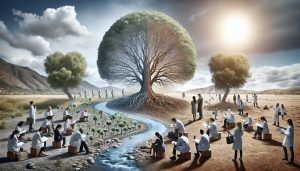
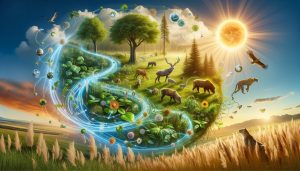
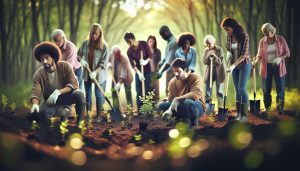
In a world where environmental concerns are more pressing than ever, developing eco comprehension skills can dramatically transform environmental education. Understanding ecological concepts empowers individuals to make informed choices, fostering a deeper connection with nature and encouraging sustainable living practices. The journey towards a greener future begins with education, which equips us to navigate ecological challenges and create lasting impact. This article explores how enhancing eco comprehension not only enriches personal knowledge but also promotes responsible environmental stewardship in communities. Join us as we uncover the potential of eco literacy to inspire positive change and drive collective action towards a more sustainable world.
How Eco Comprehension Skills Enhance Environmental Literacy
Fostering a deep understanding of ecological systems not only enriches individual lives but also strengthens our collective environmental literacy. Eco comprehension skills enable individuals to critically analyze their roles within their ecosystems, fostering a sense of responsibility toward nature. For instance, when students learn about their ecological footprints, they gain insight into how their daily choices affect the planet. This awareness empowers them to make informed decisions-like opting for public transportation over driving, thereby reducing carbon emissions and contributing to a healthier environment.
Developing strong eco comprehension skills involves engaging with real-world environmental issues and understanding interconnectedness within ecosystems. Educational activities like community clean-up drives or local biodiversity surveys provide hands-on experiences that enhance learning. These practical applications not only make ecological concepts tangible but also instill a sense of agency in learners. By observing the impacts of pollution firsthand, students can grasp the urgent need for sustainable practices, leading to a more profound commitment to environmental stewardship.
Moreover, integrating technology into eco comprehension efforts amplifies outreach and engagement. Online simulations of ecological processes, interactive data visualizations, and virtual field trips enable learners to explore complex environmental challenges from any location. This innovative approach not only captivates the audience but also democratizes access to environmental education. As technology evolves, the potential for expanding eco comprehension grows, paving the way for future generations to become knowledgeable advocates for sustainability. Through these diverse learning methods, eco comprehension skills are solidified, equipping individuals to take meaningful actions in their communities and beyond.
The Importance of Eco Comprehension in Education
Developing a robust understanding of ecological concepts is essential in today’s rapidly changing environment. As individuals grapple with challenges such as climate change, biodiversity loss, and environmental degradation, eco comprehension emerges as a pivotal component of education. This knowledge not only enhances individual awareness but also cultivates a sense of collective responsibility. For instance, education that emphasizes the relationship between human activities and ecosystem health brings clarity to concepts like ecological footprints, making it easier for learners to recognize how their choices impact the world around them.
Empowerment Through Education
Incorporating eco comprehension into education empowers students to engage critically with their environment. When learners understand how ecosystems function and the interdependence of species, they are more likely to advocate for sustainable practices. Programs that encourage exploration of local ecosystems-whether through field trips to nature reserves or participation in community Environmental Stewardship initiatives-allow students to see firsthand the effects of their actions. Such experiences instill a deeper appreciation for nature and a commitment to protecting it.
Practical Application in Everyday Life
Eco comprehension serves as a bridge linking theoretical concepts to practical application in everyday life. By equipping students with the tools to analyze their consumption patterns and resource use, they are better prepared to make choices that align with sustainability. For example, understanding the impact of single-use plastics can motivate students to opt for reusable bags and containers. Furthermore, integrating lessons on sustainable housing or energy-efficient practices into curricula encourages students to adopt greener habits at home.
Educational institutions play a crucial role in promoting eco comprehension, creating a foundation upon which future generations can build sustainable communities. As educators implement interactive and engaging methodologies, such as project-based learning and technology-driven experiences, they not only enhance the understanding of environmental issues but also inspire a lifelong commitment to ecological stewardship. In this way, eco comprehension becomes a vital aspect of nurturing responsible, informed citizens who are capable of contributing positively to the planet.
Building Eco Comprehension Through Interactive Learning
Learning about our environment through interactive experiences is one of the most effective ways to foster eco comprehension. Engaging directly with nature and participating in hands-on activities allows students to connect theoretical knowledge with real-world applications, leading to deeper understanding and retention of ecological concepts. For instance, students who participate in community gardening projects not only learn about biodiversity and sustainable agriculture but also witness firsthand how their actions can positively influence their local ecosystem.
One highly effective method to build eco comprehension is through experiential learning activities. These can include outdoor excursions, such as visiting local parks, wetlands, or eco-friendly farms, where students can observe and engage with diverse ecosystems. During these trips, educators can facilitate discussions that relate the environment to personal choices, helping learners understand the significant impacts of habitat conservation and pollution on ecosystem health. Interactive workshops, like composting or recycling games, offer opportunities for students to apply what they’ve learned, making sustainability tangible and relevant.
Incorporating technology into learning can also significantly enhance eco comprehension. Using tools like geographic information systems (GIS) allows students to visualize data trends and analyze environmental changes over time, thereby strengthening their understanding of ecological concepts such as climate change and urbanization. Online platforms that simulate ecological systems can encourage learners to experiment and observe outcomes, deepening their grasp of interdependence within ecosystems.
Ultimately, fostering eco comprehension through interactive learning equips students with the skills and knowledge necessary to make informed, sustainable choices. By immersing them in experiences that blend learning with real-life applications, we cultivate responsible stewards of the environment who are motivated to advocate for change and implement eco-friendly practices in their daily lives.
Key Strategies for Teaching Environmental Concepts
Engaging learners in environmental education requires a strategic approach that not only informs but also inspires action. One effective strategy is to incorporate real-world scenarios into lessons. By using case studies or local environmental issues, educators create a sense of relevance that stimulates interest and encourages students to explore solutions. For instance, discussing the impact of plastic waste on local waterways gives students a tangible issue to address, prompting them to brainstorm and implement initiatives such as community clean-ups or recycling drives.
Creating a collaborative learning environment is another vital strategy. Encouraging teamwork in projects fosters communication and critical thinking while allowing students to share diverse perspectives. Group activities, such as building a garden or organizing a sustainability fair, enable students to apply their knowledge while developing a sense of community responsibility. This collaboration not only enhances understanding but also empowers students to take ownership of environmental stewardship.
Utilizing multisensory experiences can elevate environmental learning significantly. Field trips to nature reserves, wildlife rehabilitation centers, or urban farms provide immersive experiences that textbooks alone cannot offer. Incorporating hands-on activities like planting trees or creating compost bins helps reinforce concepts of biodiversity and sustainability. Additionally, integrating art projects that focus on environmental themes can stimulate creative thinking and personal expression, further deepening students’ emotional connection to the subject.
Lastly, leveraging technology and digital media can transform engagement levels in environmental education. Online platforms allow students to participate in virtual simulations, analyze ecological data, or engage in global sustainability challenges. For example, using apps that track individual carbon footprints encourages students to reflect on their choices and understand their impact on the planet. By merging traditional teaching methods with innovative technological tools, educators can invigorate their curricula and inspire the next generation of environmentally conscious leaders.
Real-World Applications of Eco Comprehension Skills
Eco comprehension skills are essential for translating environmental knowledge into meaningful action. These skills empower individuals to make informed decisions in their daily lives, influencing everything from waste management to energy consumption. One impactful application is in community initiatives where residents collaborate on sustainability projects like urban gardens or recycling programs. Such projects not only enhance local biodiversity but also foster a sense of connectedness and responsibility among participants, bridging ecological knowledge with practical, community-centric actions.
Another significant area is in personal lifestyle changes. Understanding one’s ecological footprint-such as the impact of dietary choices, transportation methods, and energy use-can motivate individuals to adopt more sustainable habits. For instance, choosing to walk, bike, or use public transit instead of driving can significantly reduce carbon emissions. Similarly, selecting locally sourced foods can minimize transportation-related pollution and support local economies. By equipping people with the tools to analyze their consumption patterns, these eco comprehension skills transform abstract concepts into actionable strategies.
Education also plays a pivotal role in real-world applications of eco comprehension. Schools that integrate environmental curricula encourage students to engage in hands-on projects, such as composting or renewable energy installations. These initiatives not only enhance academic learning but also instill a sense of agency and environmental stewardship in students, preparing them to tackle ecological challenges as informed citizens. Furthermore, engaging students in discussions about current environmental issues, such as climate change or plastic pollution, enables them to connect classroom learning with real-world problems, empowering them to advocate for sustainable practices within their communities.
To enhance the impact of eco comprehension, collaborations with local organizations and businesses can further expand the reach of these skills. Partnerships can lead to community workshops, creating opportunities for individuals to learn about eco-friendly practices, such as sustainable gardening or energy-efficient home improvements. By integrating eco comprehension into everyday practices and community actions, individuals not only contribute to environmental sustainability but also inspire others to follow suit, amplifying the positive effects on a broader scale.
Integrating Technology to Boost Eco Comprehension
Integrating technology into eco comprehension presents an exceptional opportunity to enhance environmental education, making concepts engaging and accessible. With the increasing reliance on technology in our daily lives, using digital tools to convey ecological principles can significantly enhance understanding and retention. For instance, interactive simulations and virtual reality experiences can immerse learners in ecosystems, allowing them to visualize the impact of human activities on biodiversity and climate change. These innovative methods cater to various learning styles, ensuring that environmental concepts resonate with a broader audience.
Utilizing mobile applications is another effective strategy. Numerous apps are designed to help individuals track their carbon footprint, understand energy consumption, or identify local recycling opportunities. For instance, apps that gamify recycling processes encourage users to learn about waste management through engaging activities, fostering a sense of community and competition. Additionally, educational platforms that host online courses or webinars on sustainability topics can connect learners with experts and resources, enhancing their eco knowledge without geographic limitations.
Engagement through Social Media and Online Communities
Social media also plays a crucial role in boosting eco comprehension. Platforms like Instagram, Twitter, and Facebook are invaluable for sharing impactful environmental stories, tutorials, and tips that can inspire action. Following eco-conscious influencers or organizations can inform individuals about sustainable living practices and community initiatives that they can support or participate in. Creating online communities encourages discussions about environmental issues, where participants can share experiences, exchange ideas, and promote collective action.
Acting on Data and Information
Furthermore, leveraging data and analytics can empower individuals to make informed decisions. For instance, smart home technologies allow homeowners to monitor and optimize their energy usage, significantly reducing waste. By providing real-time data on consumption patterns, these technologies enable users to adjust their habits toward more eco-friendly practices. Similarly, software tools that analyze urban planning can lead to more sustainable community designs by forecasting environmental impacts before implementation.
By embracing technology in environmental education, we can cultivate a generation that not only understands the complexities of ecological systems but is also equipped to address the challenges they face. Whether through immersive experiences, mobile apps, or connecting via social media, every technological integration serves to inspire proactive, informed actions for a sustainable future.
Challenges in Developing Eco Comprehension Skills
Developing eco comprehension skills is essential for fostering a generation that values sustainability, yet educators often encounter several challenges along the way. One major hurdle is the disparity in access to quality environmental education resources. In many regions, particularly low-income or rural areas, schools may lack the necessary tools, curricula, and trained staff to effectively teach ecological concepts. This educational inequity means that students in these areas might miss out on vital knowledge and skills that could empower them to make informed decisions about environmental issues.
Another significant challenge lies in overcoming preconceived notions and misinformation about environmental science. Many individuals harbor misconceptions about ecological concepts, often due to sensational media coverage or simplistic narratives that neglect the complexities of environmental issues. To address these beliefs, educators must create engaging and realistic scenarios that clarify actual environmental impacts and promote critical thinking. Integrating discussions about current events and real-world applications can help students discern facts from fiction, thereby enhancing their eco comprehension.
Moreover, fostering eco comprehension also requires addressing diverse learning styles and cultural perspectives. Students come from various backgrounds, each with unique experiences that shape their views on the environment. For effective learning, educators should employ a range of pedagogical strategies that accommodate different preferences, such as hands-on activities, interactive projects, and collaborative learning opportunities. By incorporating culturally relevant examples and practices, educators can make environmental education more relatable and engaging for all students.
In addition, motivating students to take proactive steps toward sustainability can be daunting. While many understand the importance of environmental issues, translating knowledge into action often proves difficult. To inspire behavior change, educators should provide clear, actionable steps that students can take in their daily lives, such as reducing waste or conserving energy. Setting up projects that allow students to work on real sustainability initiatives in their communities can also encourage a sense of agency and responsibility, ultimately leading to greater commitment to eco-friendly practices.
By understanding these challenges, educators can develop innovative strategies to enhance eco comprehension skills, ensuring that students are equipped with the knowledge and tools necessary to navigate and protect their environment effectively.
Measuring Success in Eco Education Programs
To determine the effectiveness of eco education programs, it’s essential to adopt a multifaceted approach that measures not only knowledge gains but also behavioral changes and community impact. Effective assessments should combine quantitative data, such as test scores, with qualitative observations, such as students’ engagement levels and their initiative in environmental actions. By employing a variety of assessment tools, educators can construct a holistic view of a program’s success.
One vital method for measuring success is through pre- and post-assessment surveys. These surveys can include questions about participants’ understanding of environmental issues, their attitudes towards sustainability, and their self-reported behaviors regarding eco-friendly practices. For example, you might ask students how often they recycle or conserve energy before and after completing an eco education program. An increase in these reported behaviors can indicate that the educational initiative has made a significant impact.
Practical Assessments and Community Involvement
In addition to surveys, implementing practical assessments can be incredibly telling. Engaging students in project-based learning allows them to work on real-world environmental issues within their communities, such as clean-up drives or community gardens. These projects not only enhance teamwork and problem-solving skills but also provide tangible results that can be documented and presented as part of the program’s success metrics. Tracking the outcomes of these projects-like the number of volunteers, waste collected, or community awareness raised-helps illustrate the program’s impact beyond academic learning.
Moreover, continual feedback loops involving parents, community members, and local organizations can enrich the evaluation process. Community feedback can provide insightful perspectives on how the students’ environmental actions are perceived and whether they resonate with wider community values and practices. Surveys and feedback forms distributed to these stakeholders can quantify the program’s success and identify areas needing improvement.
Long-Term Behavior Tracking
While immediate assessments of knowledge and engagement are crucial, long-term behavior change is the ultimate goal of eco education. Educators should consider ongoing tracking of students’ actions post-program. This could involve follow-up surveys at set intervals, or even a “green impact tracker” where students log their sustainable actions over time. Such measures can reveal whether eco comprehension has been internalized and translated into lifelong practices.
Measuring the success of eco education programs is not merely an academic exercise; it creates an opportunity to foster sustainable habits that students can carry forward into their communities and lives. By integrating various assessment methods, educators can gather a rich tapestry of data that reflects the true impact of their efforts, inspiring confidence in future initiatives while empowering students to emerge as informed, proactive stewards of the environment.
Transformative Activities for Eco Comprehension
Experiential learning lies at the heart of nurturing eco comprehension, transforming abstract concepts into real-world understanding. Engaging students in hands-on activities can spark their interest and foster a deeper connection to environmental issues. Take, for instance, creating a school garden. This not only teaches students about biodiversity and ecosystems, but also instills a sense of responsibility as they care for plants, observe their growth, and understand the food cycle. Moreover, it can be a platform for discussions around organic practices, the importance of pollinators, and the impact of pesticides on the environment.
Another impactful way to enhance eco comprehension is through local field trips. Visiting natural reserves, recycling centers, or sustainable farms allows students to see ecological principles in practice. These outings can stimulate discussions enriched by firsthand experiences, helping them grasp concepts like renewable energy, conservation efforts, and the significance of protecting local habitats. Integrating find-and-seek activities focusing on various ecosystems during these trips can further enhance engagement and instill a sense of curiosity about their surroundings.
Community Involvement
Incorporating community projects is also a powerful method for elevating eco comprehension. Organizing clean-up days at local parks or beaches not only fosters teamwork but also instills a sense of stewardship among participants. Through such activities, students learn about pollution, waste management, and the direct impacts of human actions on the environment. Engaging with local environmental organizations can provide additional resources and expertise, making these activities even more impactful.
Real-world simulations, such as role-playing climate negotiations or participating in a sustainability challenge, can further deepen understanding. These immersive experiences encourage students to critically think about environmental policies, conservation strategies, and their personal roles in mitigating climate change. When students take part in lively discussions on these topics, they begin to see the interconnectedness of their actions within the broader context of ecological systems.
Through varied and transformative activities like these, educators can facilitate a comprehensive understanding of environmental issues, empowering students to become proactive participants in their communities and advocates for our planet. Embracing these methods fosters not only knowledge but also passion, encouraging future generations to champion eco-friendly practices.
Fostering Eco Comprehension in Diverse Communities
requires a tailored approach that respects the cultural, economic, and social contexts of each group. Engaging people from various backgrounds in environmental education necessitates building relationships and creating inclusive platforms where everyone feels valued and understood. One effective way to achieve this is by involving community leaders and local organizations in the educational process. These stakeholders can help bridge gaps, share relevant experiences, and encourage participation by relating ecological concepts to everyday lives.
Community-based projects such as urban gardening initiatives, clean energy workshops, or nature conservation activities can serve as powerful tools for enhancing eco comprehension. These hands-on experiences not only impart knowledge but also cultivate a sense of ownership and responsibility toward the environment. For instance, when communities collaborate to create green spaces, they not only improve local biodiversity but also strengthen social ties and improve mental health outcomes. Such projects can encompass educational components, allowing participants to learn about native plants, the importance of pollinators, and sustainable landscaping practices.
Working with local schools to implement environmental education programs that reflect the unique characteristics of the community can also be highly effective. This might include integrating local environmental challenges into the curriculum, exploring concepts like water conservation, waste management, and sustainable agriculture specifically relevant to the region. Involving students in outdoor classrooms or community science projects enables them to apply their learning in real-world contexts, fostering a deeper connection to their environment and the issues it faces.
Moreover, leveraging technology can amplify efforts to promote eco comprehension across diverse communities. Virtual platforms can provide access to resources and workshops that might be otherwise unavailable, enabling participation from a wider audience. Social media campaigns can raise awareness about local environmental issues and highlight positive actions being taken within the community. These efforts empower residents to take informed actions, from reducing their ecological footprints to advocating for policy changes that support sustainability initiatives.
Ultimately, is about creating an inclusive culture of environmental stewardship. By engaging individuals through relatable, practical experiences and leveraging local resources, communities can cultivate a shared sense of purpose and connection to the natural world, nurturing future generations of environmentally conscious citizens.
Encouraging Lifelong Learning in Environmental Awareness
In an age when environmental issues loom larger than ever, fostering a culture of lifelong learning in environmental awareness is crucial for sustainable living. Studies suggest that individuals who engage consistently with environmental concepts are more likely to adopt eco-friendly practices in their daily lives. This commitment to continuous education not only enhances personal responsibility but also strengthens community engagement.
To nurture lifelong learning in environmental awareness, it’s important to integrate real-world experiences into educational frameworks. For instance, community workshops that involve hands-on activities, such as urban gardening or wildlife conservation projects, empower individuals to understand the environment right from their backyards. By participating in these projects, learners can observe the tangible effects of their actions, whether it’s the positive impact of planting native species or the benefits of reducing waste through local recycling programs.
Moreover, leveraging technology can greatly enhance access to environmental education. Online platforms can host webinars, interactive courses, and forums where individuals can share experiences and strategies for sustainable living. For example, online media can connect learners with experts who provide insights on pressing environmental challenges and innovative solutions. This not only democratizes knowledge but also creates a global community motivated by shared goals.
Encouraging critical thinking about environmental issues can also inspire action. Workshops that facilitate discussions on current environmental policies, the implications of climate change, and strategies for reducing one’s ecological footprint can empower individuals to advocate for their communities. Such dialogues encourage participants to question the status quo, fostering a proactive approach to environmental stewardship.
Ultimately, making environmental education engaging and relatable is key to encouraging lifelong learning. Through immersive experiences, technology utilization, and focus on critical engagement, we can instill a deep-rooted understanding and appreciation of our environment, paving the way for a more sustainable future.
Success Stories: Eco Comprehension in Action
Engaging with eco comprehension can yield transformative outcomes, as illustrated by a number of inspiring success stories from around the world. One notable example is the Eco-Schools program, which has successfully implemented environmental education in schools across nearly 70 countries. This initiative not only elevates the understanding of ecological concepts among students but also empowers them to take actionable steps toward sustainability. Schools involved in this program have reported significant reductions in waste and energy consumption, showcasing how children can lead impactful environmental initiatives within their communities.
Another success story comes from the City of Portland, which introduced the Portland Green Schools Initiative. This program engages students through hands-on projects such as creating school gardens and participating in local watershed restoration efforts. By integrating real-world applications of environmental science, students gain a deeper understanding of biodiversity and ecological footprints while actively participating in their local ecosystems. The feedback from participants illustrates increased environmental awareness and a commitment to sustainable practices both at school and home.
Community-Led Initiatives
Community-based programs are similarly proving effective in raising eco comprehension. For instance, the Green Neighborhoods Project in San Francisco encourages residents to collaborate on green living solutions, such as reducing carbon footprints and enhancing local biodiversity. Participants engage in workshops, utilize community garden spaces, and share resources on sustainable practices, leading to a strengthened sense of community and collective responsibility toward the environment.
These diverse examples highlight how eco comprehension skills can be woven into daily life, encouraging practical actions that resonate with personal experiences. By learning through collaboration and real engagement, individuals transform their understanding of environmental issues into concrete solutions, reinforcing the message that everyone has a role to play in fostering a healthier planet. This sense of empowerment translates into lasting change-not just for individuals, but for communities as a whole.
In conclusion, the positive outcomes of these eco comprehension efforts elevate the importance of incorporating environmental education at every level-from schools to neighborhoods. Encouraging active participation not only enriches understanding of environmental issues but also fosters a culture of sustainability that benefits both people and the planet.
Q&A
Q: What are eco comprehension skills?
A: Eco comprehension skills refer to the understanding of environmental concepts, systems, and the impact of human actions on nature. These skills enable individuals to analyze ecological issues critically and promote informed decision-making in sustainability practices.
Q: How can eco comprehension enhance environmental education?
A: Eco comprehension enhances environmental education by fostering critical thinking and problem-solving skills among learners. This understanding encourages active participation in conservation efforts and changes in behavior that promote sustainability, making education more impactful and relevant.
Q: Why is eco comprehension important for students?
A: Eco comprehension is vital for students because it equips them with the knowledge and skills to address pressing environmental issues. Understanding ecological principles helps develop responsible citizenship and empowers students to advocate for sustainable practices within their communities.
Q: What methods can teachers use to develop eco comprehension skills?
A: Teachers can develop eco comprehension skills through interactive learning experiences such as project-based learning, field studies, and technology integration. These methods encourage hands-on engagement with environmental issues, enhancing students’ understanding and retention of eco concepts.
Q: How does integrating technology support eco comprehension in education?
A: Integrating technology supports eco comprehension by providing access to diverse resources and interactive tools that simulate ecological processes. Online platforms and applications can enhance engagement and allow students to explore real-world environmental challenges, bridging theory and practice.
Q: What role do community projects play in fostering eco comprehension?
A: Community projects play a crucial role in fostering eco comprehension by connecting students with local environmental issues. These initiatives encourage collaboration, enhance learning through practical experiences, and create a sense of responsibility towards sustainable living within the community.
Q: How can parents support their children’s eco comprehension learning?
A: Parents can support their children’s eco comprehension by encouraging discussions about environmental issues at home, participating in local eco-friendly initiatives, and providing educational resources, such as books and documentaries about nature and sustainability.
Q: Where can educators find resources for teaching eco comprehension?
A: Educators can find resources for teaching eco comprehension through educational websites, environmental organizations, and academic journals. Online communities and forums also offer shared materials and best practices for incorporating eco education into various curricula.
The Conclusion
In summary, embracing eco comprehension skills not only enhances environmental education but also empowers you to make impactful changes in your daily life. You’ve learned how understanding ecological concepts can transform your perspective and actions towards sustainability. Now is the time to take the next step-consider exploring our guides on sustainable living tips and eco-friendly products to implement what you’ve learned.
Don’t miss out on our comprehensive resources on reducing your ecological footprint and promoting biodiversity in your community. Join our newsletter for the latest insights and practical tools to keep you inspired and informed. Share your thoughts in the comments below and engage with fellow eco-conscious individuals. Together, we can create a brighter, greener future!