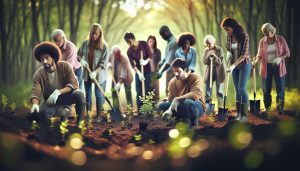
In an age where environmental challenges seem ever-growing, the role of eco-conscious parenting can shape our planet’s future. Teaching children sustainable habits not only nurtures their understanding of ecological principles but also empowers them to become responsible stewards of the earth. By embracing simple yet impactful eco-parenting tips, you can inspire the next generation to tackle issues like climate change, biodiversity loss, and waste reduction with confidence and creativity. Discover practical strategies that nurture environmental awareness in kids, transforming everyday activities into powerful lessons. Together, we can raise a generation that values and protects our planet, one small choice at a time.
Understanding Eco Parent Tips for Raising Eco-Conscious Kids
Creating eco-conscious kids starts with the simple yet profound understanding that their environment is a shared responsibility. When children grasp the significance of their actions on the planet, they become more inclined to develop habits that support sustainability. This journey begins at home, where parents play a crucial role in modeling eco-friendly behaviors. By engaging in discussions about environmental issues, parents can encourage curiosity about the natural world and foster a sense of responsibility towards it.
To cultivate eco-awareness, involve children in practical activities that resonate with them. For instance, establishing family rituals like a weekly “green day” can be effective. On this day, the family might engage in activities such as planting a garden, recycling, or exploring nature through local parks. Not only do these experiences educate children about ecosystems and biodiversity, but they also create lasting memories that connect them to the environment. Additionally, parents can nurture their children’s eco-consciousness by leading by example-using reusable bags, composting, or conserving water-and explaining the rationale behind these practices.
Another vital aspect of raising eco-conscious kids involves integrating technology smartly. Online resources and apps can turn eco-awareness into an interactive adventure. For example, educational programs that gamify recycling or biodiversity can engage children and inspire them to take initiative. Encourage kids to track their ecological footprints and set goals for reducing their impact, making these lessons both personal and actionable.
Lastly, promoting critical thinking about consumer choices is essential. Parents can introduce discussions around product sourcing and manufacturing processes. Encouraging kids to choose sustainable products-like organic snacks or eco-friendly toys-not only empowers them but also instills values of ethical consumption. This holistic approach, combining knowledge, experience, and dialogue, can effectively raise a generation that prioritizes the planet.
The Importance of Environmental Awareness in Today’s World
In a world increasingly defined by environmental challenges, the need for environmental awareness among children has never been more crucial. Scientific studies suggest that climate change, biodiversity loss, and pollution are not just distant problems; they are immediate threats that will shape the future of our planet. When children learn about their ecological impact early on, they begin to appreciate the role they play in not just their communities but the global ecosystem. This foundational awareness can help cultivate a generation that is not only informed but actively engaged in sustainable practices.
Instilling a sense of responsibility towards the environment often starts at home. Parents can create an environment where discussions about climate change and sustainability are part of daily life. For instance, explaining how everyday choices-like using reusable bags or turning off lights when leaving a room-directly impact carbon footprints can make these concepts tangible. Simple practices, such as involving children in household recycling or gardening, help them understand the importance of resource conservation while fostering a hands-on relationship with nature.
Moreover, technological tools can enhance children’s learning experiences about environmental issues. Educational apps and websites can turn complex subjects into interactive games, making learning about sustainability engaging and fun. For example, tracking their ecological footprints online can empower kids to set practical goals for reducing waste, thereby instilling a sense of accomplishment and personal responsibility.
With environmental issues becoming more urgent, teaching kids the value of biodiversity and conservation is essential. Introducing them to local ecosystems through nature walks or field trips can ignite curiosity and appreciation for the natural world. This firsthand experience reinforces their understanding of how all living things are interconnected, fostering a sense of stewardship that they will carry into adulthood. Together, these approaches weave a narrative that highlights the importance of environmental awareness, equipping the next generation with the tools they need to advocate for a sustainable future.
Simple Daily Practices to Instill Eco-Friendly Habits
Incorporating eco-friendly habits into daily life can be an exciting journey for families, sparking curiosity and responsibility in children. Simple changes in routine can profoundly impact a child’s environmental consciousness. For instance, making recycling a fun family activity can instill a sense of teamwork and responsibility. Set up brightly colored bins labeled for paper, plastics, and organic waste, and challenge your kids to sort the items correctly. This not only teaches them about waste separation but also highlights the importance of recycling in reducing landfill waste.
Everyday Practices to Encourage Green Living
Here are some actionable practices that families can adopt:
- Gardening Together: Start a small vegetable or flower garden. This hands-on activity helps kids learn about the life cycle of plants and the importance of pollinators while providing fresh produce or beautiful blooms.
- Power Off: Teach kids to turn off lights and unplug devices when not in use. Create a fun reminder system where each family member checks for “phantom energy” usage.
- Water Conservation: Encourage kids to be mindful of water usage by timing their showers or collecting rainwater for watering plants. Discuss the significance of water as a precious resource.
- Eco-Friendly Shopping: When grocery shopping, involve children in making lists that prioritize local and organic products. Use reusable bags together and explain how this reduces plastic waste.
Teaching children to understand their ecological footprint builds a strong foundation for sustainable living. Engage them in conversations about how everyday actions-like choosing public transport, walking, or biking instead of driving-affect the environment. As they grasp these concepts, they can make informed choices that contribute to a healthier planet.
By embracing these practices, families create an environment where eco-consciousness thrives. This not only helps the earth but also enriches children’s lives, giving them valuable lessons in responsibility, sustainability, and the joy of caring for the planet.
Creative Activities to Inspire Young Environmentalists
Engaging children in creative activities can ignite their passion for the environment and help them develop a strong sense of responsibility towards nature. Fun projects not only build their appreciation for biodiversity but also encourage them to see themselves as active participants in addressing environmental issues. Consider incorporating these hands-on activities into your family routine, making learning about the environment a delightful experience.
Start with a Nature Scavenger Hunt, where you can create a list of local flora and fauna for your kids to find. This can be done in your backyard, a local park, or on a nature walk. Encourage them to observe details-like leaf shapes or bird calls-to deepen their connection with the environment. Not only does this promote outdoor activity, but it also fosters an appreciation for biodiversity and the interconnectedness of ecosystems.
Another engaging project involves DIY Recycling Crafts. Gather materials from your recycling bin, such as cardboard, plastic bottles, or old magazines, and challenge your kids to create something new. They could transform a cardboard box into a birdhouse, or weave plastic bags into mats. This hands-on activity not only emphasizes the importance of recycling but also enhances their creativity and problem-solving skills while reducing waste.
Consider setting up a Local Clean-Up Day as a family. Equip everyone with gloves and trash bags, and head to a nearby beach, park, or neighborhood. This real-world application illustrates the impact of pollution and teaches children that their actions can lead to meaningful change within their community. Afterward, discuss the significance of clean environments for wildlife and human health to reinforce their learning.
Finally, introduce storytelling through Eco-Tales. Encourage your children to write their own stories involving environmental heroes, endangered animals, or the journey of a plastic bottle. This not only nurtures their writing skills but also instills values of conservation and stewardship. Sharing these stories can create discussions about sustainability and inspire action in their daily lives.
By integrating these creative and impactful activities into your family life, you empower your children to become informed and passionate advocates for the environment, giving them the tools to inspire others in their communities.
Building a Sustainable Home Environment for Families
Creating a home environment that embodies sustainability isn’t just beneficial for the planet; it also offers valuable lessons for children, fostering a lifelong appreciation for eco-conscious living. By making intentional choices in your family’s living space, you set a powerful example. Start by incorporating energy-efficient appliances, which not only reduce your carbon footprint but also teach kids about conserving resources. Look for the Energy Star label, indicating that products meet rigorous energy efficiency guidelines.
Smart Home Practices
In addition to appliances, consider how you use energy within your home. Simple habits like turning off lights when leaving a room, using natural light during the day, and investing in programmable thermostats can greatly impact energy consumption. Teach your children the importance of these practices through fun challenges-like a family competition to see who can remember to turn off the most lights throughout the week. This not only helps cut down on energy bills but also instills a sense of responsibility toward energy use.
Eco-Friendly Materials and Decor
Choosing sustainable materials when decorating or renovating your home can significantly influence your family’s ecological footprint. Opt for furniture made from reclaimed wood or bamboo, and choose non-toxic paints and finishes to ensure a healthier living environment. Engage your kids in selecting eco-friendly decor items, explaining how each choice helps the environment. For example, using proper insulation not only keeps your home comfortable but also reduces reliance on heating and cooling systems, simplifying the concept of sustainable living for younger family members.
Gardening and Outdoor Spaces
Transforming your garden or backyard into a green oasis can further reinforce your family’s commitment to sustainability. Start a vegetable garden, allowing children to participate in planting and caring for their food while educating them about local ecosystems. Composting kitchen scraps and yard waste teaches kids about waste reduction and soil health. In addition, creating habitats for local wildlife, such as birdhouses or butterfly gardens, can spark curiosity and appreciation for biodiversity.
By integrating these practices into daily life, families cultivate a home that reflects their values and educate children about the significance of sustainability in a hands-on, engaging manner. Empowering kids to take part in these decisions encourages them to become conscious environmental stewards in the future.
Choosing Eco-Friendly Products for Children’s Use
Introducing eco-friendly products into your home is an impactful way to raise environmentally aware children. The choices we make for the items they use daily can significantly influence their understanding of sustainability. By selecting products that are safe, sustainable, and ethically sourced, you not only protect their health but also foster a sense of responsibility towards the environment. For example, opting for toys made from organic materials or recycled plastics reduces plastic waste and exposes children to the idea of reusability from an early age.
H3: Types of Eco-Friendly Products for Kids
When selecting eco-friendly products for children, consider the following categories:
- Toys. Look for options made from sustainable materials like bamboo, using non-toxic paints and finishes. Brands that focus on sustainable production often use biodegradable materials, making them better for our planet.
- Clothing. Choose garments made from organic cotton, linen, or recycled fibers. Not only are these fabrics gentle on your child’s skin, but they also minimize the environmental impact associated with traditional textile production.
- Personal Care Products. For items like soaps, shampoos, and lotions, prioritize those that are made from natural ingredients and packaged in biodegradable or recyclable materials. This choice helps reduce exposure to harmful chemicals.
- School Supplies. Encourage the use of recycled paper, refillable pens, and eco-friendly backpacks. Teaching kids about the life cycle of their supplies can spark conversations about resource conservation.
H3: Engaging Kids in the Selection Process
One of the most effective ways to instill eco-consciousness in your children is by involving them in the selection of eco-friendly products. Take trips to stores that prioritize sustainability, or engage in discussions about why certain products are better for the environment. As you shop, explain the impact of plastic waste and promote alternatives that offer a reduced ecological footprint. Creating a small family project to compare different products based on their sustainability can be both educational and fun. Encourage them to ask questions about where products come from, their materials, and how they can be disposed of responsibly.
H3: Understanding Certifications and Labels
Empowering your kids with knowledge about product labels and certifications fosters informed decision-making. Teach them the meaning of eco-certifications like USDA Organic, Fair Trade, or Energy Star. Understanding these labels helps children associate their choices with positive environmental outcomes. For instance, explain how buying Fair Trade goods supports farmers in developing countries while promoting sustainable agricultural practices.
Incorporating eco-friendly products into your family’s lifestyle not only benefits the planet but also allows your children to create a positive, lasting connection with nature. By making thoughtful choices and teaching them the value of sustainability, you inspire the next generation of environmental stewards who not only care about the world around them but actively participate in its preservation.
How to Educate Kids on Biodiversity and Conservation
Understanding the intricate relationships within ecosystems can be a captivating journey for children, and engaging them in biodiversity and conservation can nurture their instinct to protect the natural world. Start by connecting them to local flora and fauna through outdoor adventures. Encourage them to observe different species in nearby parks or gardens, noting how they interact with their environment. This hands-on approach not only fosters curiosity but also ignites a passion for nature. You might set up a simple backyard habitat or visit a nature reserve together, providing valuable lessons about the interdependence of life.
Incorporating educational resources at home can further reinforce these lessons. Books, documentaries, and interactive apps that focus on wildlife can spark discussions and deepen understanding. Highlighting the importance of biodiversity – the variety of life on Earth – can help children grasp why each species, no matter how small, plays a crucial role in maintaining ecological balance. Use examples such as how bees pollinate plants, which is vital for food production, or how healthy forests contribute to air quality and climate stability.
To make learning engaging, consider hands-on projects that illustrate conservation principles. For instance, starting a small herb garden teaches responsibility while showing the benefits of native plants. Alternatively, a family clean-up day at a local beach or park provides a direct way to contribute to environmental health and instills a sense of community responsibility. These activities not only teach practical skills but also highlight the impact of human behavior on natural habitats.
Lastly, discussing current environmental issues can empower children to think critically about their role in conservation. Whether it’s climate change, habitat destruction, or plastic pollution, age-appropriate conversations can encourage kids to form their opinions and engage in advocacy. Provide them with tools to express these views, whether through art, school projects, or community initiatives. By fostering an understanding of biodiversity and conservation in practical, relatable ways, you can cultivate a generation that appreciates and actively works to protect the planet.
Engaging Kids in Community Environmental Projects
Engaging children in community environmental projects is a powerful way to cultivate their understanding of sustainability and environmental stewardship. When kids participate in hands-on activities that benefit their local ecosystems, they not only learn valuable lessons about ecological balance but also feel a stronger connection to their community and the natural world. Encouraging this kind of involvement helps to instill a sense of responsibility and empowers them to become proactive advocates for the environment.
One effective approach is to seek out local organizations or initiatives that focus on environmental health, such as tree planting drives, community clean-up days, or wildlife habitat restoration efforts. These activities provide not just a chance to pitch in but also valuable opportunities for children to learn about biodiversity and the importance of preserving their surroundings. For instance, participating in a river clean-up can teach them about water pollution’s impact on local wildlife while fostering teamwork and civic pride.
Additionally, consider organizing your own community projects. Start small by coordinating a neighborhood litter pick-up or launching a recycling drive. Involving children in the planning process can deepen their commitment and responsibility. Discuss with them what goals they want to achieve, how to manage the logistics, and the potential outcomes of their efforts. This hands-on approach can build leadership skills and give them a greater sense of involvement in their community’s environmental efforts.
Here are some ideas to inspire community engagement:
- Adopt a Local Park: Organize regular clean-up and maintenance days, ensuring the area stays beautiful and healthy.
- Community Garden: Start or contribute to a community garden where children can learn about planting, growing, and nurturing food sustainably.
- Eco-Friendly Workshops: Host educational sessions on topics such as composting, sustainable gardening, or eco-friendly crafts to share knowledge and skills.
- Nature Walks: Arrange guided walks with local environmentalists to learn about native plants and wildlife, stressing the value of biodiversity.
Participating in these activities not only solidifies kids’ eco-friendly habits but also creates cherished memories and friendships. By integrating community involvement into their upbringing, parents can help shape a generation that values and actively participates in safeguarding the environment, ensuring a healthier planet for future generations.
Understanding Ecological Footprints: A Family Perspective
Understanding our ecological footprint is essential for families striving to foster eco-conscious habits within their children. An ecological footprint measures the impact of our lifestyle choices on the environment, specifically how much land and water area is required to sustain our consumption of resources and absorb our waste. It’s an enlightening exercise for families, as it lays bare the tangible effects of daily decisions on the planet. Teaching kids about these concepts not only helps them become aware of their environmental impact but also empowers them to make more sustainable choices.
One effective way to illustrate the concept of an ecological footprint is through practical activities. For instance, families can track their water and electricity usage over a month, then calculate their cumulative footprint. This engaging approach not only educates children about resource conservation but also involves them in making decisions that lead to reductions, such as turning off lights when leaving a room or taking shorter showers. Parents can facilitate discussions around these practices, exploring questions like, “How does our energy use affect the planet?” or “What changes can we make to reduce our footprint?”
Furthermore, incorporating fun and educational resources can enhance children’s understanding of ecological footprints. Online footprint calculators are widely available and can provide insights into family consumption patterns, from food and transportation to energy use. After conducting their assessments, families can set collective goals to minimize their impact. This might include initiatives like reducing meat consumption, biking instead of driving short distances, or composting kitchen waste. Every small effort contributes to a larger collective impact, illustrating the importance of individual actions within a community context.
Ultimately, by engaging with the concept of ecological footprints, families not only nurture responsible habits but also cultivate a deeper appreciation for the planet. This knowledge empowers children to advocate for sustainability, not just in their homes, but in their communities, fostering a generation that considers the environment in every aspect of their lives. Embracing these practices creates opportunities for meaningful family bonding, rooted in shared values and commitment to a healthier world for future generations.
Nurturing Eco-Consciousness through Nature-Based Learning
Engaging with the natural world is not just beneficial for children-it’s a powerful tool for fostering an eco-conscious mindset that can last a lifetime. When children experience nature firsthand, they develop a relationship with the environment that goes beyond textbook learning. Each outdoor excursion becomes an opportunity for discovery, empathy, and appreciation-fueling a desire to protect the planet they explore.
Exploring local parks, forests, or botanical gardens allows children to see biodiversity in action. Encourage them to observe different plants, insects, and animals, and relate these observations to broader environmental concepts like ecosystems and food chains. Keeping a nature journal can be a great way for kids to record their observations and reflect on the changes they see with the seasons. For instance, they might note how leaves change color in the fall or how different flowers bloom in the spring. This practice not only deepens their understanding of local biology but also encourages mindfulness and a greater appreciation for nature’s cycles.
Another impactful approach is to incorporate project-based learning into family activities. Consider starting a small garden together, where children can plant seeds, nurture the plants, and track their growth. This hands-on approach teaches them about sustainability, the importance of local food production, and the responsibility that comes with caring for living things. It demonstrates how their choices-like growing vegetables instead of buying them packaged-can lessen their ecological footprint.
Finally, adventure outings like hiking, camping, or visiting wildlife sanctuaries can provide immersive experiences that spark lasting interest in environmental stewardship. Discuss the importance of conservation while you’re out in nature; share stories of endangered species or the impact of pollution. Participating in community clean-up events or planting trees as a family reinforces the idea that everyone can contribute to positive change. These experiences not only build eco-conscious habits but also empower children to become advocates for the environment, ultimately shaping a generation of caretakers for the earth.
Sustainable Travel Tips for Families with Kids
Traveling as a family can enrich your lives with memorable experiences while also offering opportunities to nurture eco-conscious behavior in your children. Sustainable travel allows you to explore the world without leaving a hefty carbon footprint, encouraging children to appreciate both nature and cultural diversity. By making thoughtful choices in your travel plans, you can instill a sense of responsibility and respect toward the environment while creating lasting family memories.
Choose Eco-Friendly Transportation
Opt for greener modes of transportation whenever possible. If you’re traveling locally, biking or walking can be delightful ways to explore your surroundings while reducing emissions. For longer trips, consider taking a train or bus instead of flying, as these options tend to have a lower environmental impact per passenger. When flying is unavoidable, look for airlines committed to sustainability and consider offsetting your carbon footprint through environmental programs that plant trees or invest in renewable energy projects.
Plan Nature-Centric Activities
When selecting activities and destinations, emphasize experiences that celebrate nature and conservation. Visit national parks, nature reserves, or wildlife sanctuaries where your family can engage with the environment authentically. Activities like guided hikes, bird watching, or participating in conservation projects provide children with hands-on experiences and deepen their understanding of biodiversity and ecological balance. Such interactions with nature not only foster respect for the environment but also spark curiosity about the ecosystems around them.
Support Local and Sustainable Businesses
As you travel, aim to support local economies by shopping at farmers’ markets, eating at farm-to-table restaurants, or staying in eco-friendly accommodations. These choices not only contribute to sustainable tourism but also educate your children about the importance of local sourcing and reducing their carbon footprint. Encourage them to learn about the local customs and the environmental challenges faced by the communities you visit, fostering a broader awareness and appreciation of cultural and environmental interconnectedness.
Incorporating these sustainable travel practices can redefine family journeys, turning them into opportunities for growth and learning. By prioritizing eco-friendly choices, you equip your children with values that extend far beyond their travels, laying the groundwork for lifelong environmental stewardship.
Empowering Kids to Advocate for the Environment
Creating a generation of passionate environmental advocates starts with instilling a sense of responsibility and awareness in children from a young age. One of the most effective ways to engage kids in environmental advocacy is to empower them with knowledge and encourage them to take action in their communities. By understanding the impact of their choices and the importance of sustainability, children can become informed advocates for the environment while developing a deeper appreciation for the world around them.
A great way to initiate community engagement is by involving kids in local environmental initiatives. This can include activities like participating in tree planting days, joining clean-up events at parks and beaches, or volunteering with conservation organizations. Through such experiences, children can witness first-hand the positive outcomes of their efforts. They also learn valuable skills like teamwork, leadership, and critical thinking, which are essential for effective advocacy. Use these opportunities to discuss the reasons behind these activities, connecting them to larger environmental issues such as pollution, deforestation, and climate change.
Moreover, fostering critical thinking and discussion about environmental issues at home can significantly empower kids. Encourage them to voice their thoughts on conservation topics and challenge them to find solutions to local environmental problems. For instance, you might ask questions like, “What can we do to reduce waste in our household?” or “How does recycling help our community?” Engaging them in discussions not only deepens their understanding but also affirms that their opinions and actions matter.
Another powerful tactic is to help them articulate their views creatively. Encourage kids to write letters to local leaders about environmental concerns, create art that highlights nature’s beauty, or start a social media campaign focused on sustainability. This not only increases their understanding but also teaches them how to effectively communicate their passion for the environment. By recognizing their power to effect change-no matter how small-children can grow into confident advocates who carry their eco-conscious values into adulthood.
In fostering environmental advocacy, parents play a pivotal role in shaping the next generation of environmental stewards. By combining education, hands-on involvement, discussions, and creative expression, parents can help children become empowered individuals who advocate for the planet throughout their lives.
Frequently asked questions
Q: How can eco parents teach kids about recycling?
A: Eco parents can teach kids about recycling by setting up a fun recycling station at home. Use colored bins for different materials, and involve kids in sorting waste. Educate them through games that explain the recycling process, helping them understand the importance of reducing waste.
Q: What are effective ways to engage children in environmental activities?
A: Engaging children in environmental activities can include organizing nature walks, participating in community clean-ups, or creating a backyard garden. Activities that involve hands-on learning, like crafting with recycled materials, also make the experience enjoyable while fostering a sense of responsibility towards the environment.
Q: Why is it important to discuss climate change with kids?
A: Discussing climate change with kids is crucial for fostering awareness and empowerment. It helps them understand the challenges we face and encourages them to think critically about solutions. Start with age-appropriate explanations and encourage questions to keep the dialogue open and engaging.
Q: How can parents model sustainable behaviors for their children?
A: Parents can model sustainable behaviors by practicing eco-friendly habits like using reusable bags, conserving water, and reducing energy consumption. By demonstrating these actions daily, children are more likely to adopt similar practices and understand their importance in protecting the environment.
Q: What role do educational resources play in raising eco-conscious kids?
A: Educational resources such as books, documentaries, and apps about nature and environmental science play a vital role in raising eco-conscious kids. They provide knowledge and inspire interest in ecological issues, reinforcing lessons taught at home while making learning interactive and fun.
Q: How can family discussions promote environmental awareness?
A: Family discussions can promote environmental awareness by addressing current environmental issues, sharing news articles, and discussing personal experiences with nature. Encouraging everyone to voice their opinions fosters critical thinking and develops a collective sense of responsibility towards sustainability.
Q: When is the best time to introduce eco-friendly habits to children?
A: The best time to introduce eco-friendly habits to children is early in their development, ideally during preschool years. Children are naturally curious, and teaching them simple sustainable practices can lay a strong foundation for lifelong eco-conscious behaviors.
Q: Where can families find community support for eco-friendly initiatives?
A: Families can find community support for eco-friendly initiatives through local environmental organizations, schools, and social media groups. Many communities offer programs like tree planting, recycling drives, and educational workshops, providing opportunities for families to get involved and learn together.
Final Thoughts
As you embark on your journey to raise environmentally aware kids, remember that every small step counts. Embrace the power of eco-parenting by incorporating sustainable habits into your daily routine, and watch as your children become stewards of our planet. By fostering an understanding of ecological footprints and biodiversity, you equip them with the knowledge to make informed choices that positively impact the environment.
Ready to dive deeper? Explore our articles on sustainable housing and eco-friendly products to inspire your next steps. Don’t forget to subscribe to our newsletter for the latest tips and resources that will keep you and your family engaged in eco-conscious living. Join the conversation in the comments below and share your own eco-parenting tips. Together, we can cultivate a brighter, greener future for generations to come!